On this page
Short answer: Pier and beam foundation repair usually means adding or replacing piers, reshimming, or replacing beams. Angi’s 2025 data puts the normal range at $6,000 to $14,000, while Modernize’s 2026 figures put most jobs at $3,000 to $9,500. Estimate, not a quote. Get 3 quotes.
Reviewed by: Hassan Ifthakir, civil engineer (BSc Civil Engineering, COMSATS University, Abbottabad). Last updated: November 2026. This is general information, not expert advice. Large, growing, or structural cracks need a licensed structural engineer.
Pier and beam foundation repair fixes the parts that hold a raised house up: the piers, the beams that sit on them, and the floor framing above. The most common jobs are re-shimming or adding support under sagging beams, replacing rotted sills or joists, and correcting the crawl space moisture that caused the damage in the first place. Large, growing, or structural cracks need a licensed structural engineer. A contractor’s inspection is a sales visit, not an engineering assessment.
This guide explains how the system works, what goes wrong, and what a typical repair looks like, so you can follow what an inspector or contractor tells you. For the full set of guides on this foundation type, see Pier and Beam Foundations.
Pier and beam foundation repair: How a pier and beam foundation works
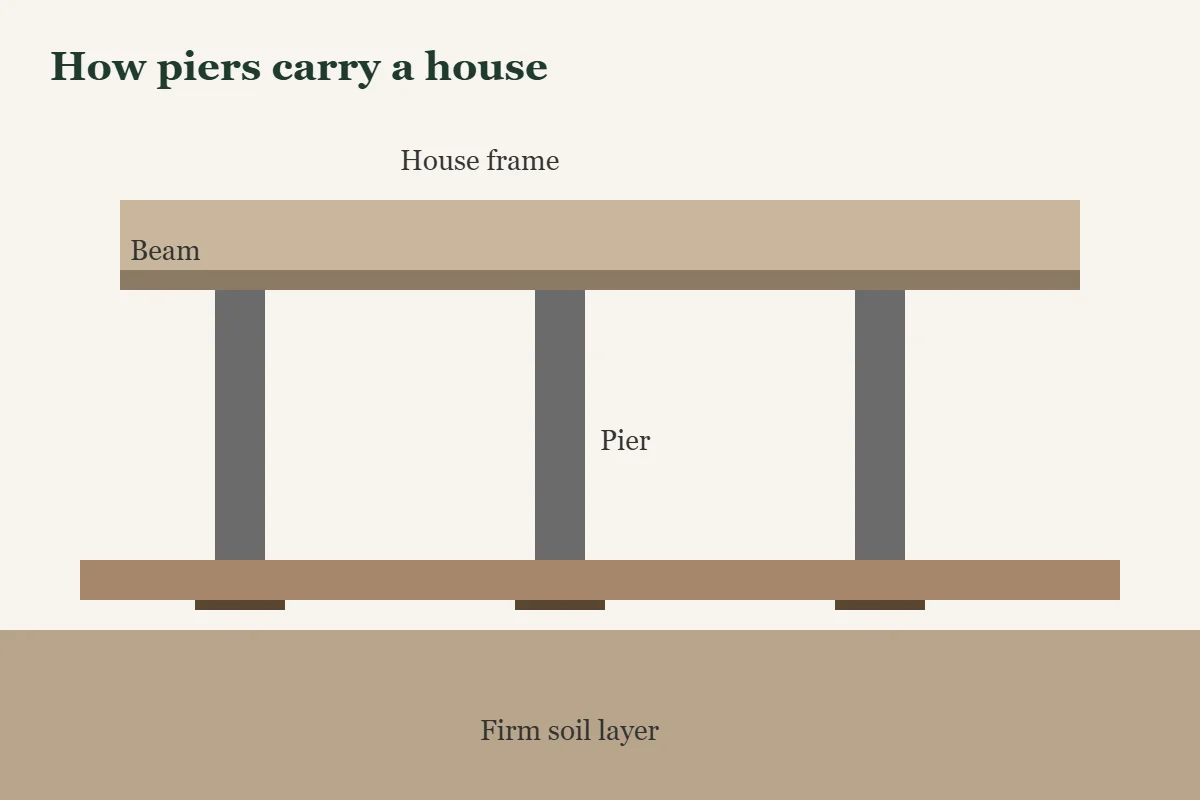
A pier and beam house sits above the ground on a grid of supports. Each support is a pier, usually concrete, masonry block or, in older homes, wood. Beams (also called girders) run across the tops of the piers, and floor joists span between the beams. The space underneath is the crawl space.
The design has real advantages. Plumbing and wiring are reachable from below, the floor is off damp ground, and individual parts can be repaired or replaced without breaking concrete. The trade-off is that the system has many separate parts, and each one can move, rot or settle on its own.
Signs a pier and beam home needs repair
Most problems show up inside the house before anyone looks underneath. Common signs include:
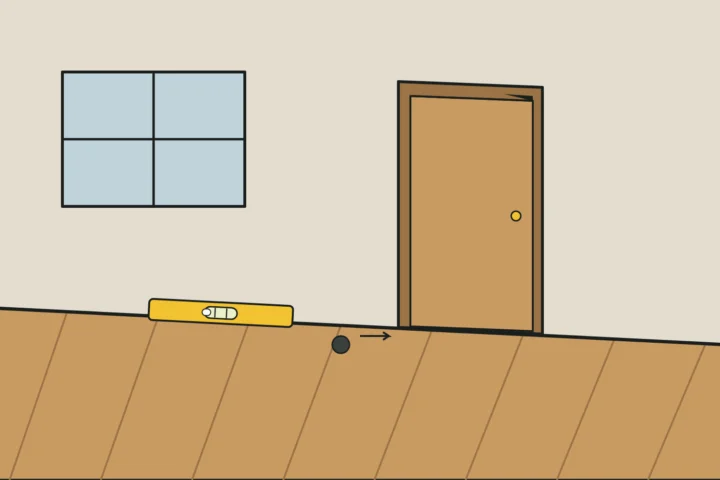
- Floors that slope, bounce or feel soft in one area
- Doors that stick or swing open on their own, and gaps above door frames
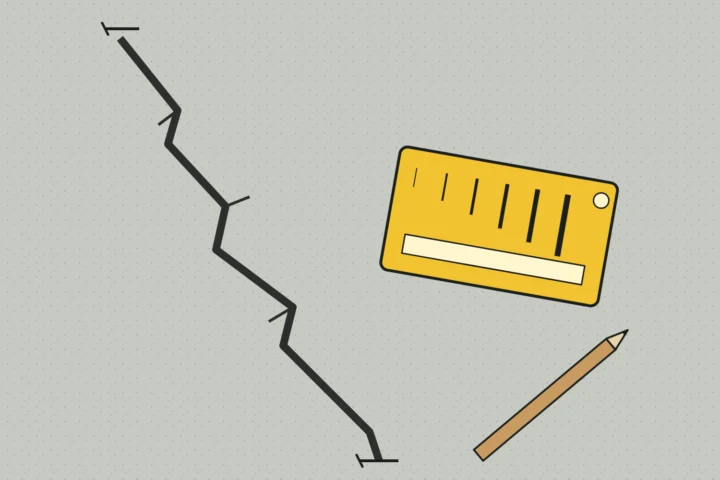
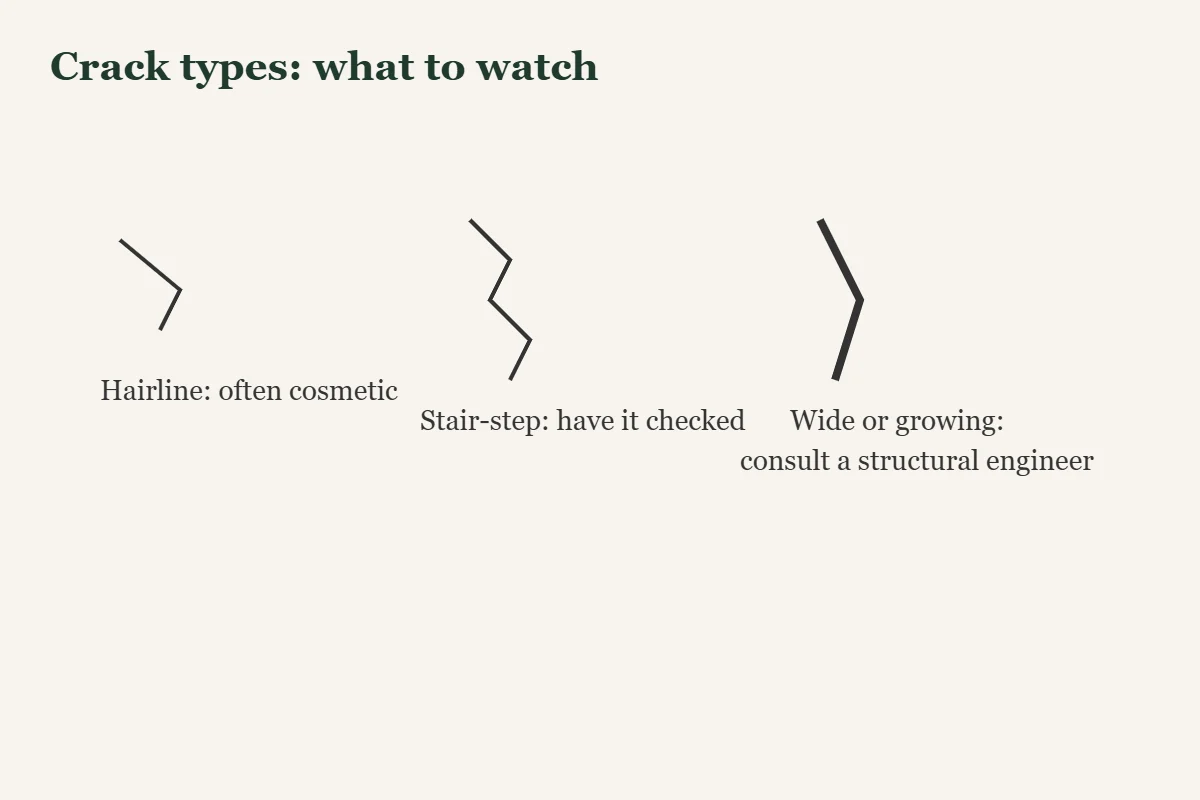
- Cracks in drywall, especially running from the corners of doors and windows
- Gaps between the floor and the baseboards, or between cabinets and walls
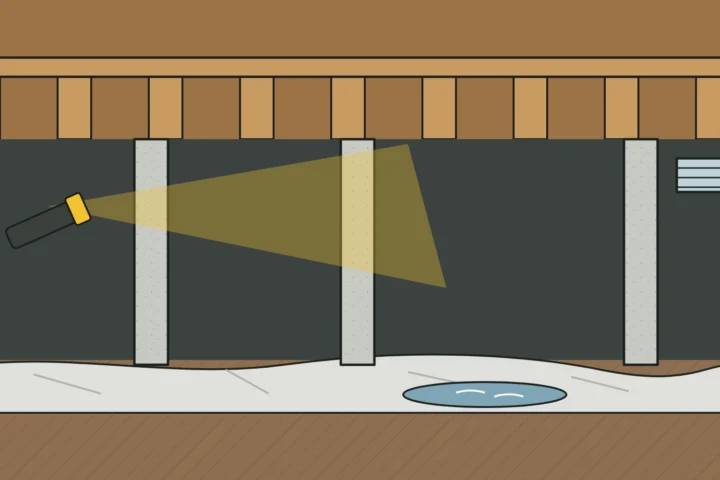
- A musty smell, standing water or visible mold in the crawl space
- Piers that lean, have cracked, or have shims that have slipped or crushed
One sign alone does not prove a foundation problem. Seasonal swelling and shrinking of soil and wood can open and close small gaps. What matters is the pattern and whether it is getting worse. Our guide to a foundation repair inspection explains how to document what you see.
Common pier and beam repairs
Shimming and re-leveling
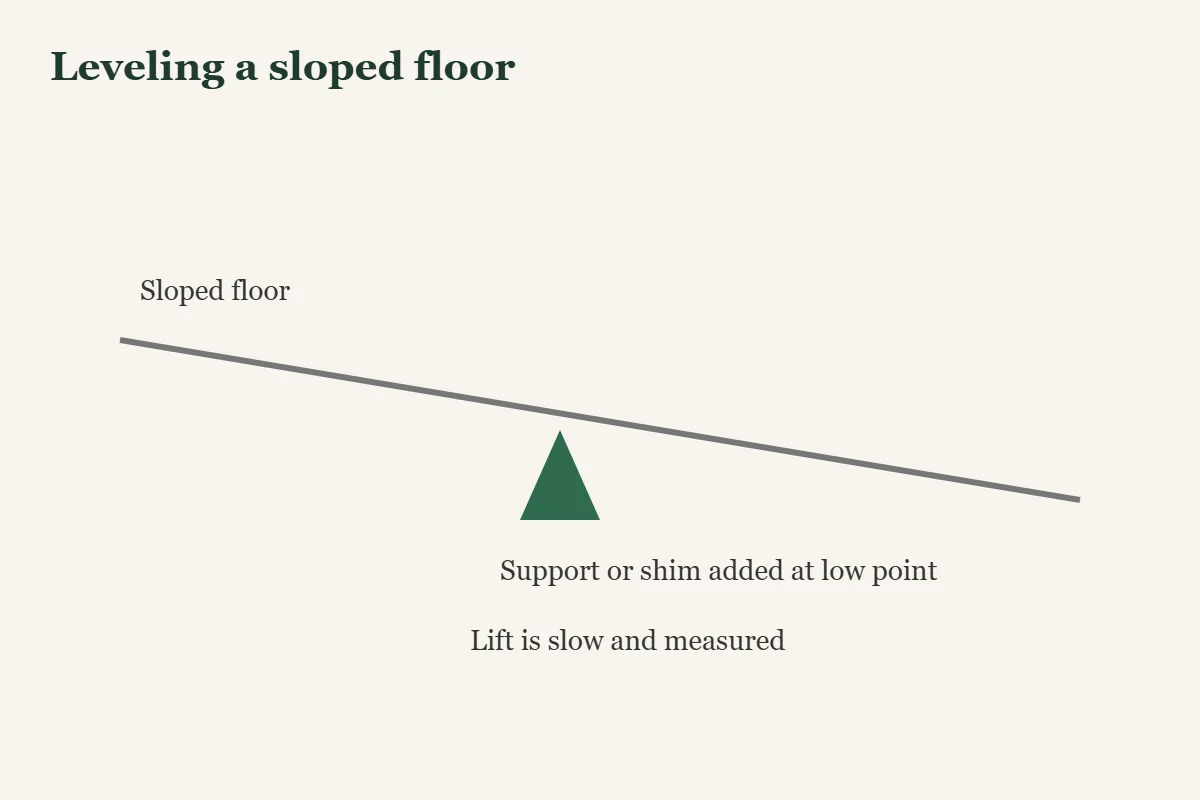
When a beam has dropped away from a pier, the gap is filled with shims, usually steel or treated hardwood, to bring the floor back toward level. Shimming is the most common pier and beam repair. It works when the pier itself is sound. If the pier is still sinking, new shims only hide the problem for a while.
Adding or replacing piers
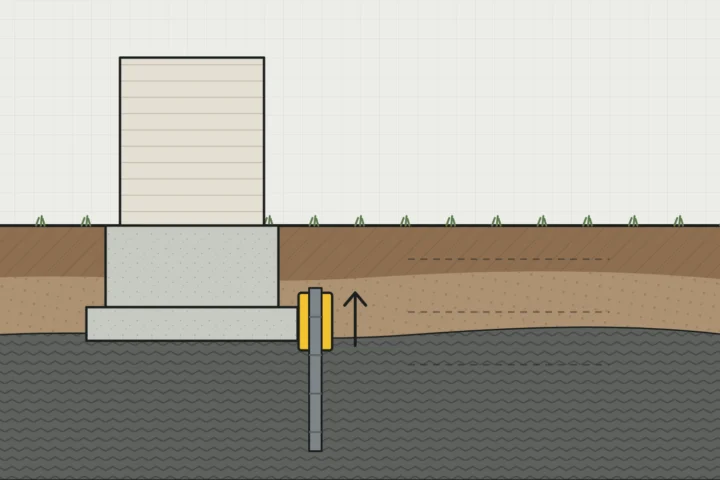
Where beams span too far between supports, or where existing piers have cracked, tilted or settled, a contractor may add new piers or replace old ones. Replacement piers range from poured concrete to steel piers driven deeper into the ground. Our guide to foundation repair methods compares the main pier types.
Replacing beams, sills and joists
Wood that stays damp eventually rots or attracts termites. Damaged beams, sill plates or joists are cut out and replaced, or reinforced by adding new lumber alongside the old (called sistering). This is carpentry as much as foundation work, and it is common in older homes.
Fixing the cause
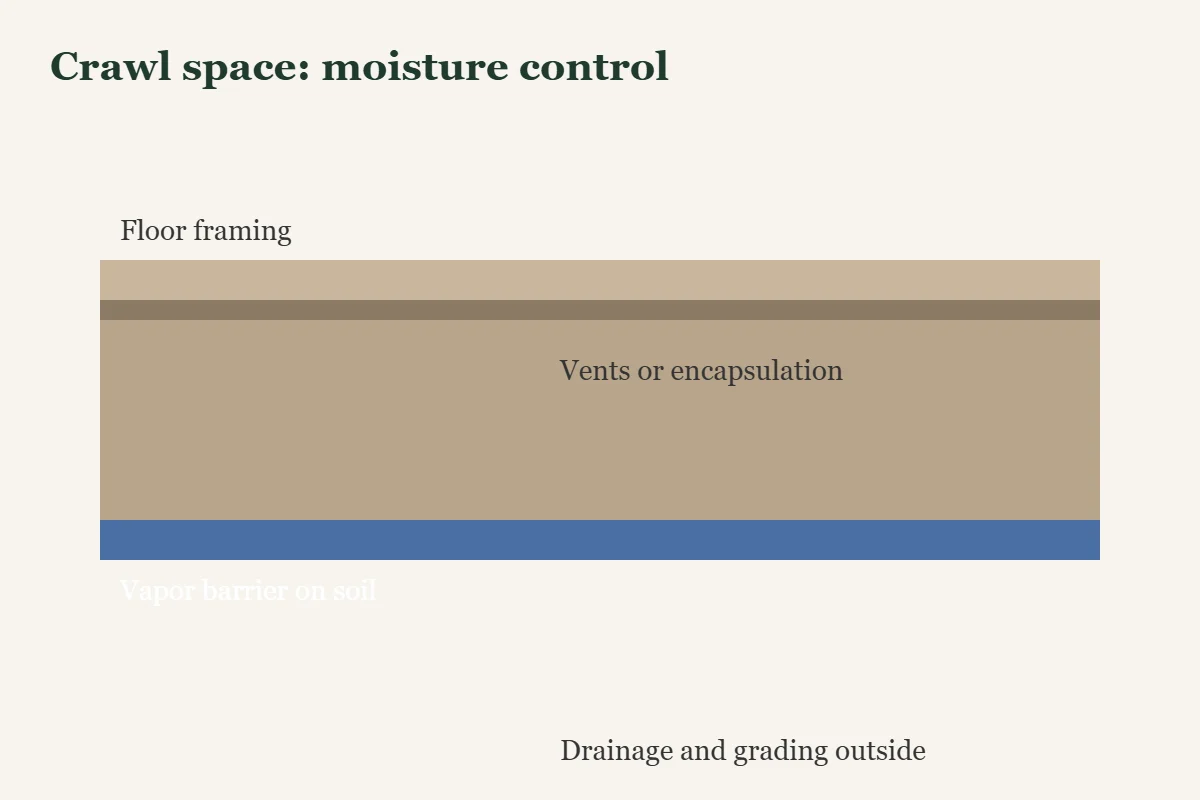
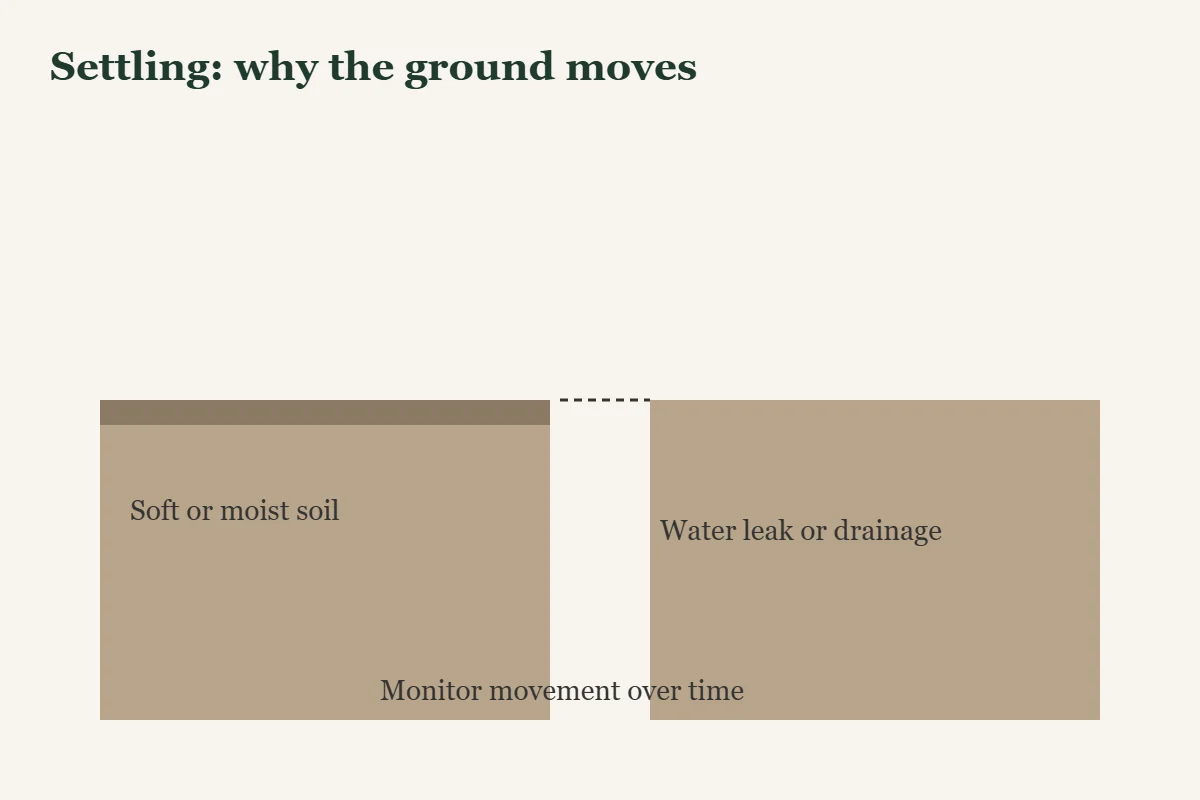
Most pier and beam damage comes back to water: poor drainage around the house, a wet crawl space, or plumbing leaks. A repair that does not deal with moisture is likely to need doing again. See pier and beam crawl space problems and fixes.
What drives the cost
Cost depends on how many supports need work, whether wood framing must be replaced, how easy the crawl space is to reach, and whether drainage or moisture work is included. Typical range for pier and beam repair: $1,000 to $10,000 for most jobs, with a typical job at $2,500 to $8,000 (FoundationCosts, 2026). Estimate, not a quote. Get 3 quotes.
Our guide to pier and beam foundation repair cost goes through each cost factor and what to ask about it.
How a repair usually happens
- Assessment. Someone measures floor levels, inspects each pier and beam from the crawl space, and looks for the cause of movement.
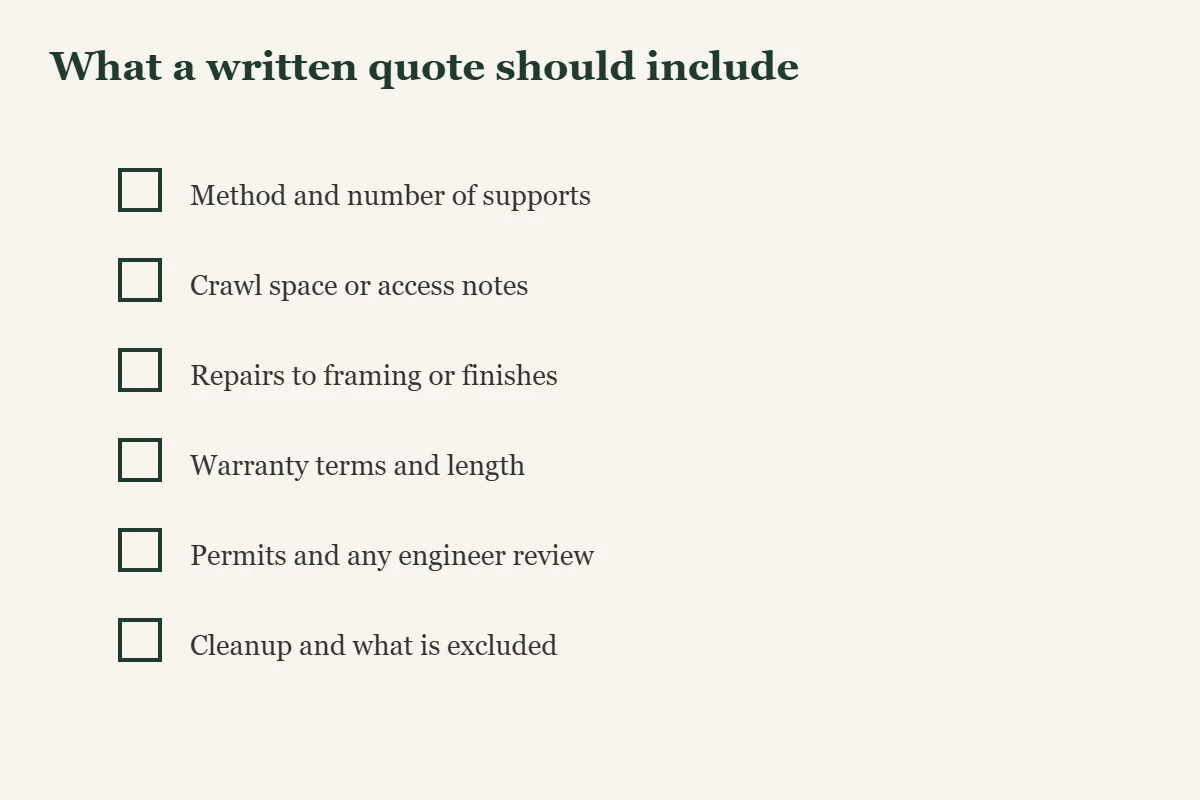
- Written scope. A written plan should list which piers, beams or joists are affected, what will be done to each, and how the cause will be addressed.
- Permits. Many cities require a permit for structural repair. Ask who pulls it.
- Repair. Work is done from the crawl space where possible. Leveling is usually done gradually to limit new cracks in walls.
- Final check. Floor levels are measured again and compared with the starting readings.
When to call a structural engineer
An engineer is worth hiring when floors are moving quickly, when several piers have failed, when there is a large or widening crack in a pier or beam, or when contractors’ written quotes disagree about what is wrong. An engineer works for you, not for the company doing the repair, and can write a repair plan that every contractor quotes against.
Frequently asked questions
Is pier and beam foundation repair easier than slab repair?
Often, yes, because the parts are reachable from the crawl space and can be replaced one at a time. It depends on the height of the crawl space and how much framing is damaged.
Can I shim my own pier and beam foundation?
Shimming a single beam may look simple, but lifting a structure without a plan can crack walls, damage plumbing or overload other supports. Get a professional assessment first.
How long does a pier and beam repair last?
It depends on whether the cause was fixed. Shims on a sinking pier or framing in a wet crawl space will need attention again. Ask for the warranty terms in writing.
Prices as of November 21, 2026, source: Angi (2025 data); Modernize (2026); HomeAdvisor (2026); HomeGuide (2026); This Old House (2026); Fixr (2026)