On this page
Short answer: Slab foundation repair commonly costs $1,000 to $10,000 (Fixr, 2025). Mudjacking a sunken slab is listed at about $550 to $1,450 (This Old House). Estimate, not a quote. Get 3 quotes.
Reviewed by: Hassan Ifthakir, civil engineer (BSc Civil Engineering, COMSATS University, Abbottabad). Last updated: November 2026. This is general information, not expert advice. Large, growing, or structural cracks need a licensed structural engineer.
Slab foundation repair cost depends on the method (piers along the perimeter or interior, or slab jacking with grout or foam), how many supports are needed, whether work must happen inside the house, and whether plumbing under the slab is damaged. Repairs that reach deep, stable soil usually cost more than filling shallow voids, but they address deeper settlement. Estimate, not a quote. Get 3 quotes.
Large, growing, or structural cracks need a licensed structural engineer. A contractor’s inspection is a sales visit, not an engineering assessment.
For other foundation types and how they compare, see Other Foundation Types.
Slab foundation repair cost: How slab foundations fail
A slab foundation is a concrete pad poured on the ground, often with thickened edges (grade beams) under the walls. Because the slab sits directly on soil, it moves when the soil moves. Common causes are expansive clay that swells and shrinks with moisture, poorly compacted fill, erosion from poor drainage, tree roots drawing water from the soil, and leaks from plumbing under the slab.
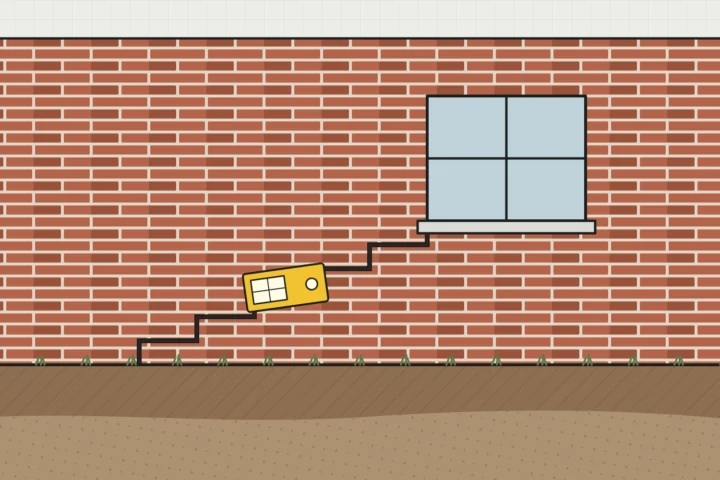
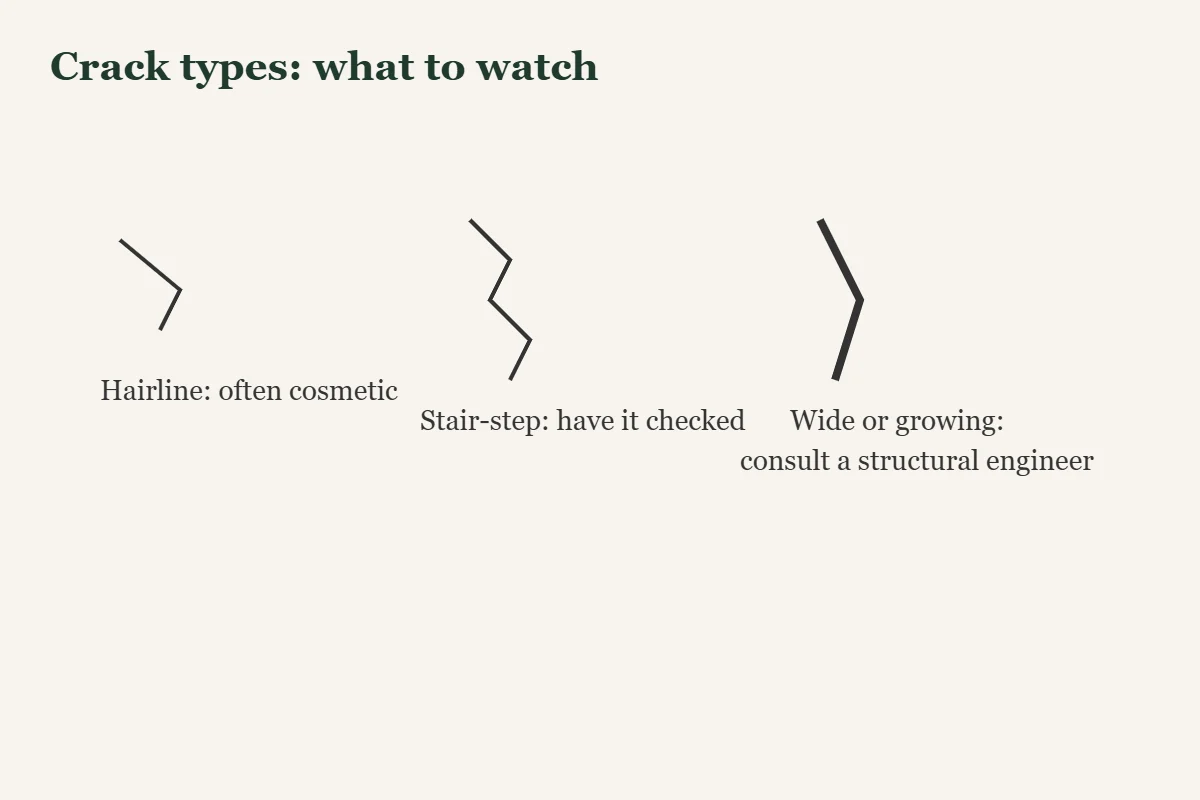
Signs include cracks in the slab or tile floors, stair-step cracks in brick, doors and windows that stick, and gaps between walls and ceilings or floors.
Repair methods and their cost factors
Exterior piers
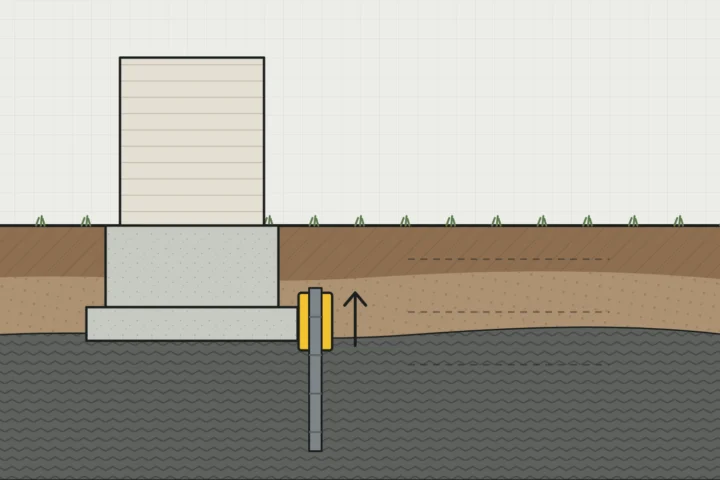
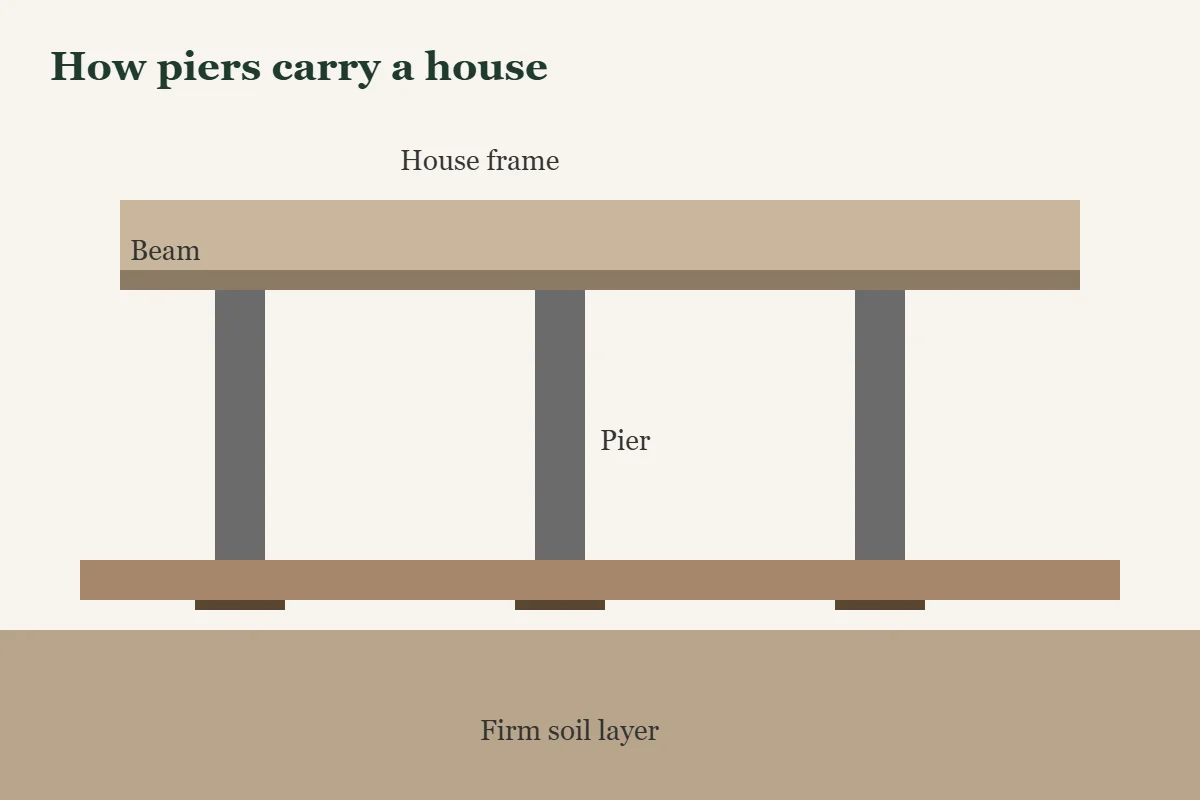
Steel push piers, helical piers or pressed concrete piers are installed along the outside edge of the slab. Each pier requires digging beside the foundation. The number of piers and their depth drive the price. See foundation repair cost per pier. Estimate, not a quote. Get 3 quotes.
Interior piers
When the middle of the slab has dropped, piers are installed through holes cut in the floor. This means moving furniture, removing flooring and patching concrete, so interior piers usually cost more each. Estimate, not a quote. Get 3 quotes.
Slab jacking and foam injection
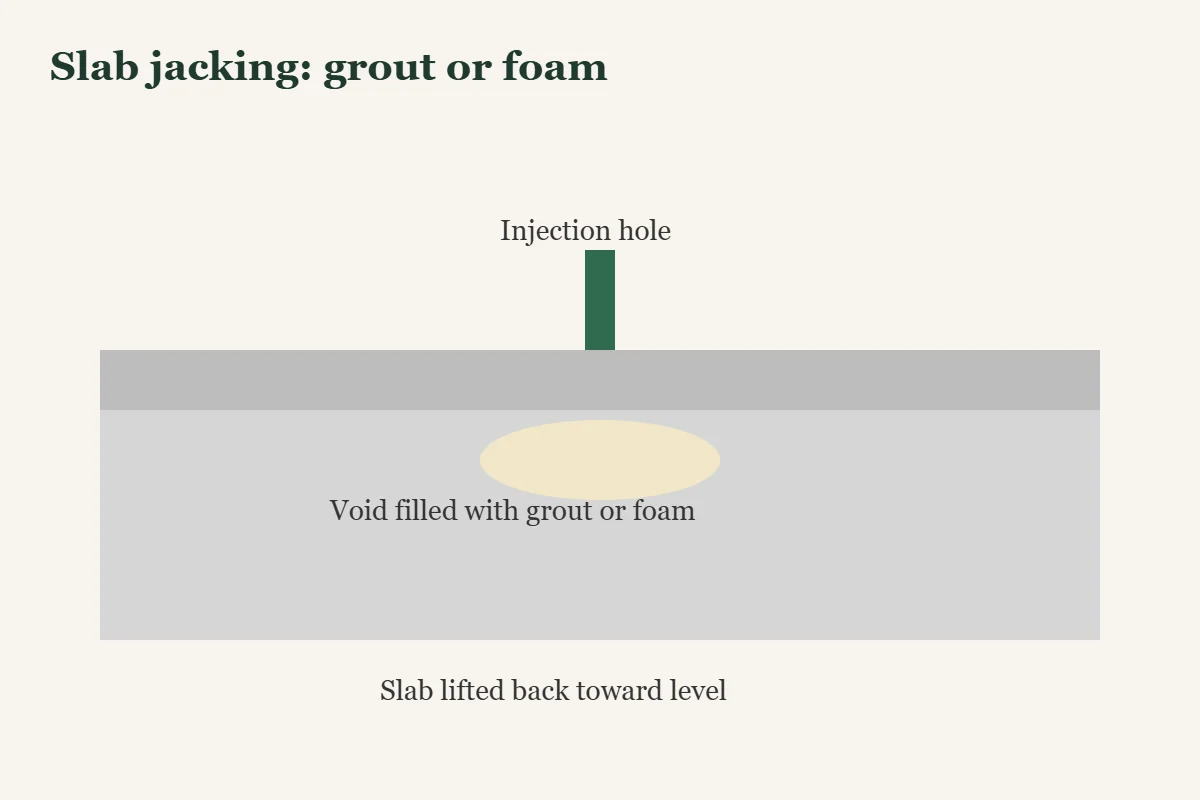
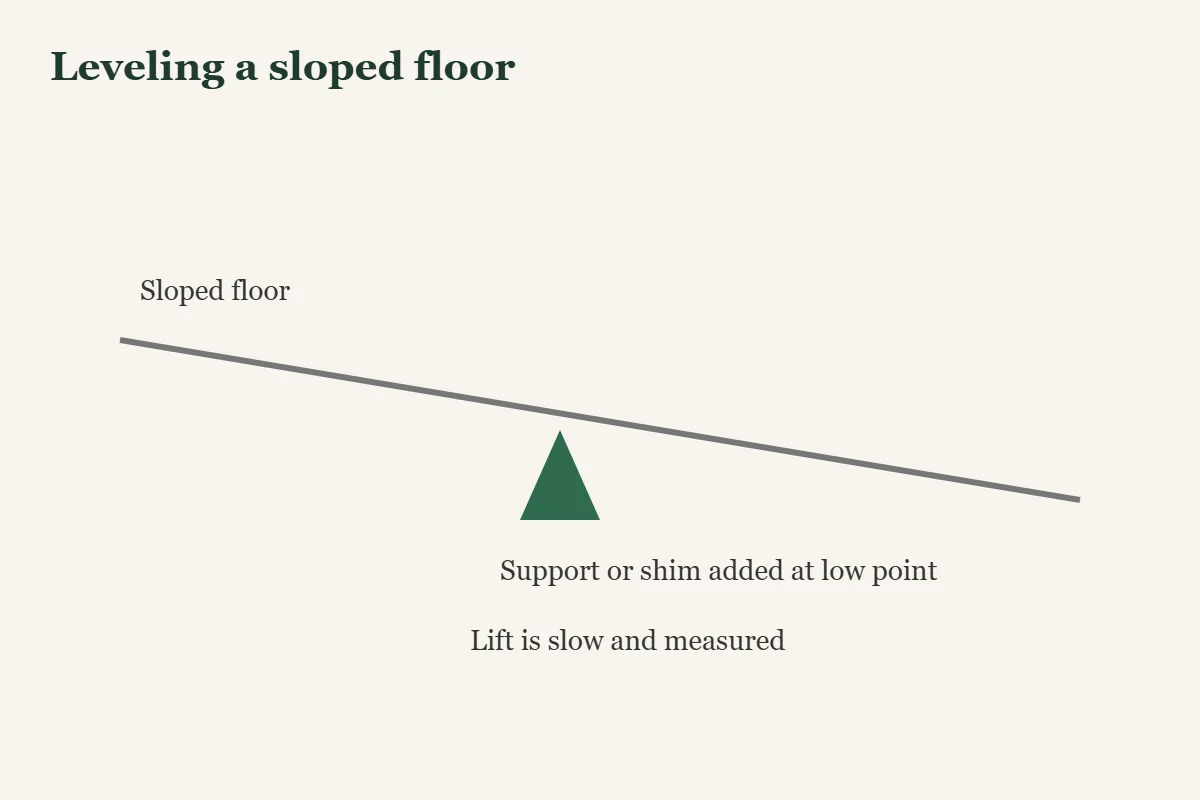
For a slab that has sunk over voids or soft shallow soil, grout (mudjacking) or polyurethane foam is pumped beneath it to lift and fill. It is less disruptive but does not reach deep soil. Estimate, not a quote. Get 3 quotes.
Lifting
Piers or jacking can raise the slab back toward level. Lifting adds labor and risk to plumbing and finishes. See foundation lifting.
Other factors that affect the price
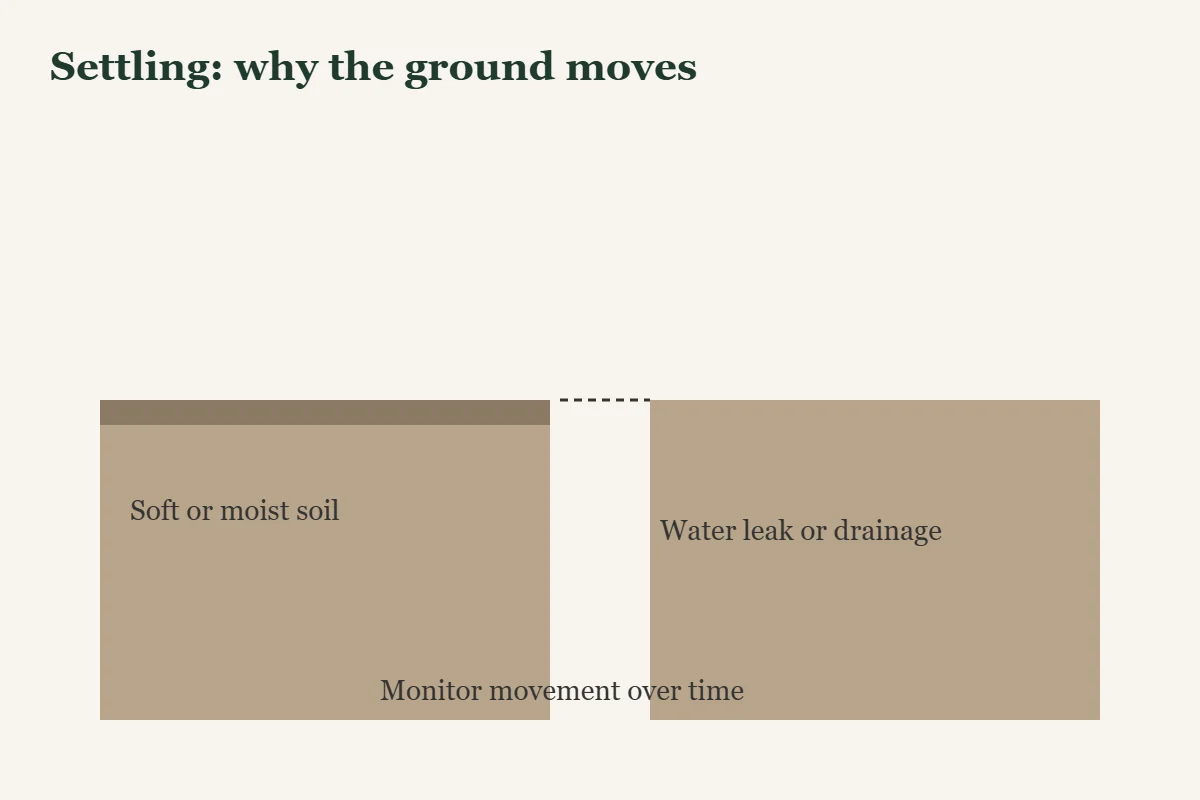
- Plumbing. Leaks under the slab can cause settlement, and lifting can damage old drain lines. A plumbing test before and after repair is often recommended and may be priced separately.
- Soil. Expansive clay may need deeper piers. Fill soil can call for more supports.
- Access. Driveways, patios, landscaping and additions can make digging harder.
- Finishes. Tile, hardwood and cabinets near interior pier locations raise restoration costs.
- Drainage work. Gutters, grading and drains help protect the repair.
- Permits and engineering. Many areas require a structural permit; an engineer’s report helps you compare quotes.
- Warranty. Length, coverage and transferability vary.
Slab versus pier and beam repair
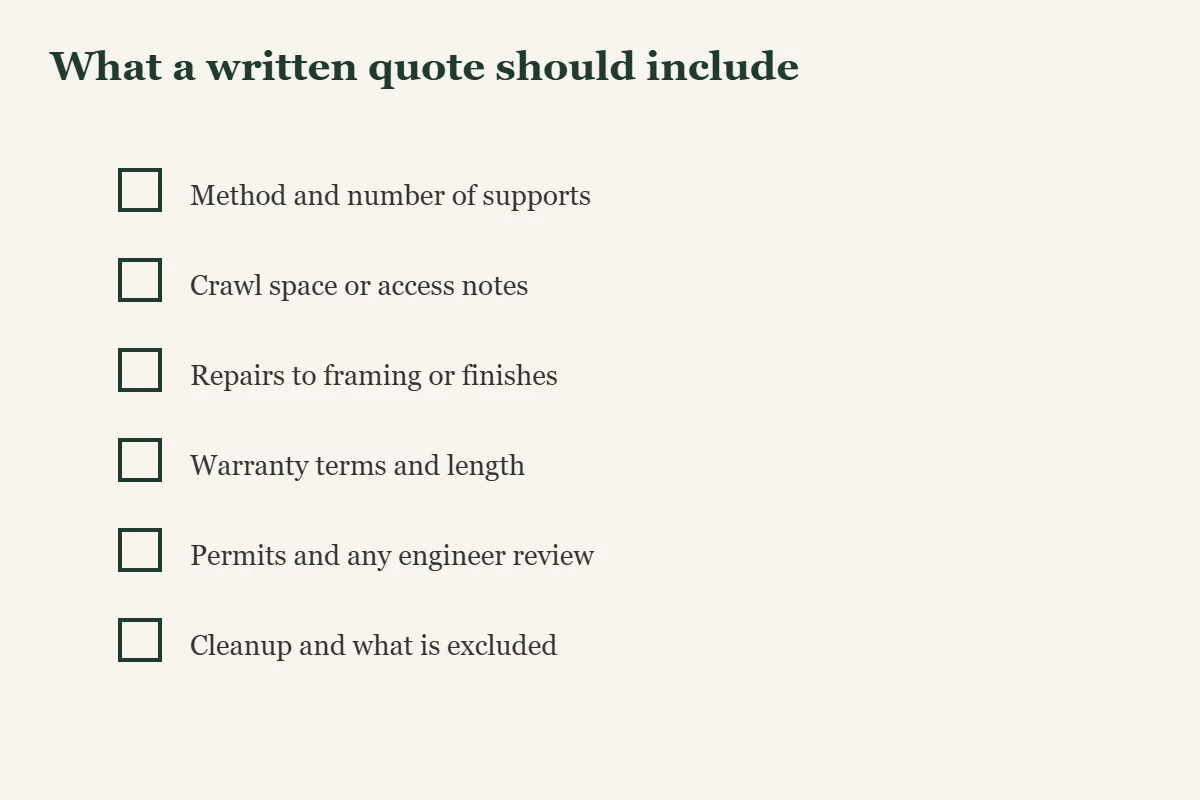
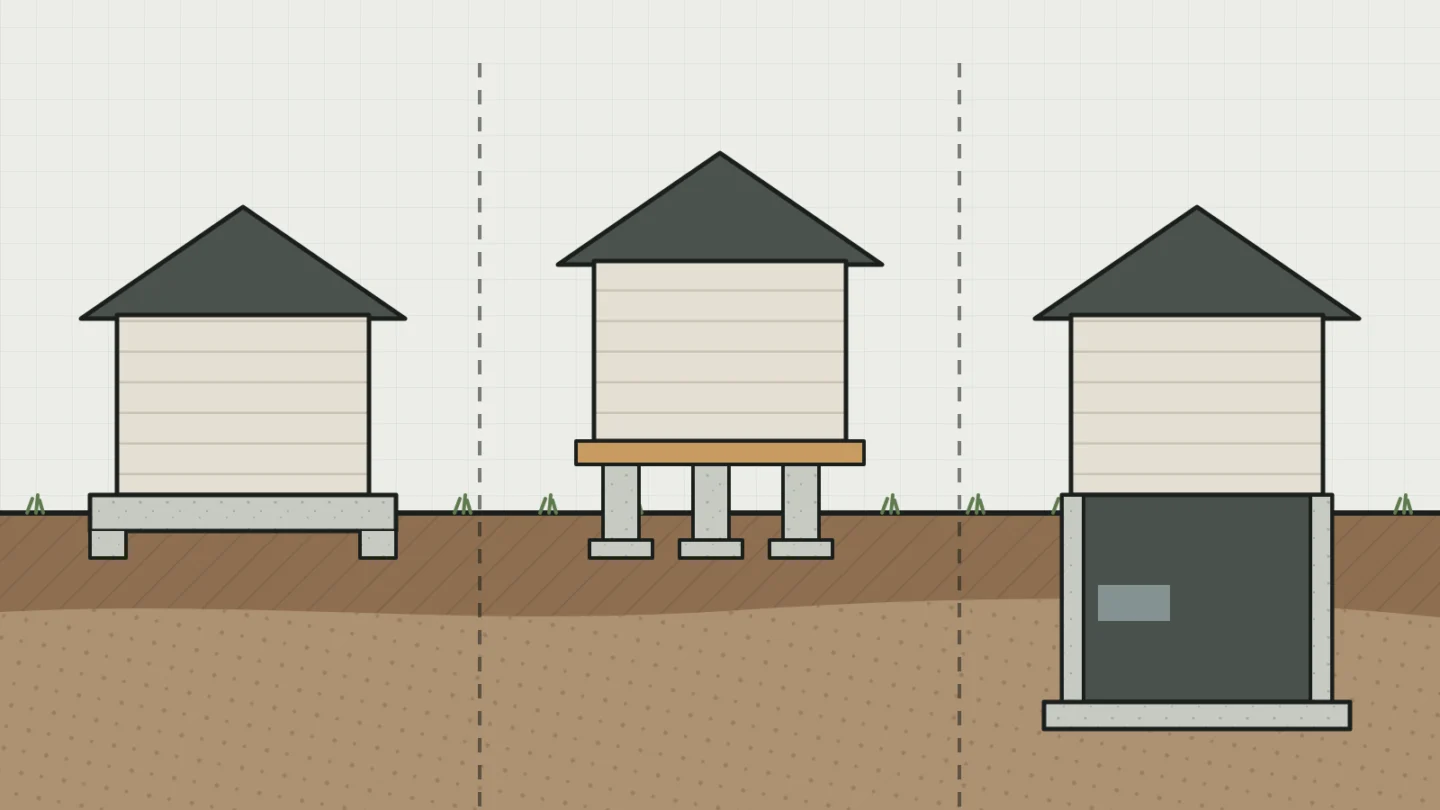
Pier and beam homes can usually be repaired from the crawl space without cutting concrete, while slab repairs often involve digging and drilling. Which one costs more depends on the extent of the damage. See foundation repair cost for an overview of what drives prices across foundation types, and foundation repair methods for how each method works.
Reducing the risk of further movement
Repairs last longer when the conditions that caused the movement are improved:
- Keep gutters clean and send downspout water well away from the foundation
- Grade soil so it slopes away from the house
- Fix plumbing leaks promptly and watch for unexplained increases in water use
- Discuss large trees close to the house with an arborist and your engineer
- Avoid letting soil next to the slab swing between very wet and very dry
These steps do not replace a needed repair, but they protect the one you pay for.
Getting comparable quotes
- Ask each contractor for the method, the number and location of piers, and the target depth.
- Ask whether a plumbing test is included.
- Check what is excluded, such as flooring, landscaping and cosmetic repair.
- Compare warranties side by side.
Estimate, not a quote. Get 3 quotes. An independent engineer’s repair plan gives every contractor the same scope to price.
Frequently asked questions
Can a cracked slab be repaired without piers?
Small shrinkage cracks may need only sealing. Settlement over shallow voids may suit slab jacking. Movement caused by deep soil problems usually needs piers.
Should plumbing be tested before slab repair?
It is often recommended, because leaks can cause settlement and lifting can damage pipes. Ask who tests, when, and who pays for repairs.
Are hairline cracks in a slab normal?
Fine shrinkage cracks are common in concrete. Cracks that widen, grow or have one side higher than the other should be assessed.
Prices as of November 21, 2026, source: Angi (2025 data); Modernize (2026); HomeAdvisor (2026); HomeGuide (2026); This Old House (2026); Fixr (2026)