On this page
Short answer: Lifting a whole house commonly costs $20,000 to $30,000 (Fixr, 2026). Smaller lifts, such as mudjacking a sunken slab, are listed at about $550 to $1,300 (This Old House). Estimate, not a quote. Get 3 quotes.
Reviewed by: Hassan Ifthakir, civil engineer (BSc Civil Engineering, COMSATS University, Abbottabad). Last updated: November 2026. This is general information, not expert advice. Large, growing, or structural cracks need a licensed structural engineer.
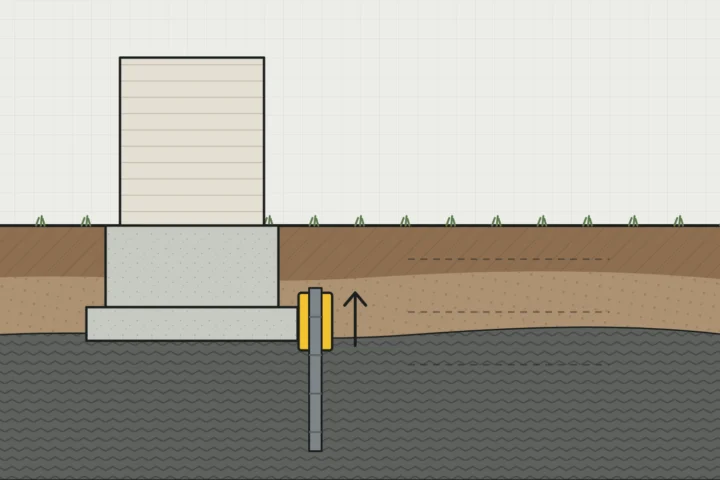
Foundation lifting raises a settled part of a house back toward its original level, usually with hydraulic jacks working against piers, or by pumping grout or foam under a slab. A lift can close gaps and help doors and windows work again, but it rarely returns a house to perfectly level, and lifting too far or too fast can crack walls and damage plumbing. Large, growing, or structural cracks need a licensed structural engineer. A contractor’s inspection is a sales visit, not an engineering assessment.
More guides on piers, leveling and lifting are in Repair Methods.
Foundation lifting: Lifting versus stabilizing
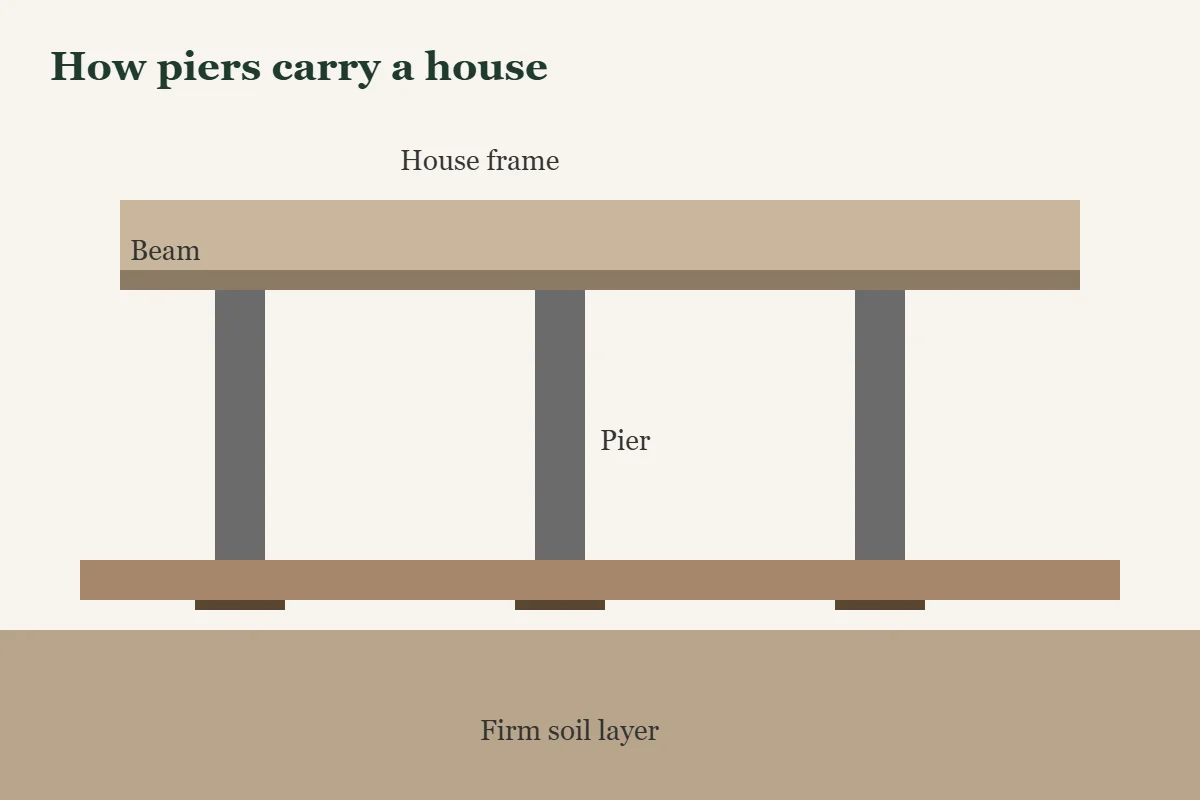
Not every repair needs a lift. Stabilizing stops further movement and holds the house where it is now. Lifting goes further and raises the low areas. Lifting makes sense when the movement causes real problems, such as doors that will not close or floors that slope noticeably. Stabilizing may be enough when the house has moved slightly and the main goal is to stop it getting worse.
Ask any contractor which of the two they are proposing, and what result they expect in writing.
Methods that can lift a foundation
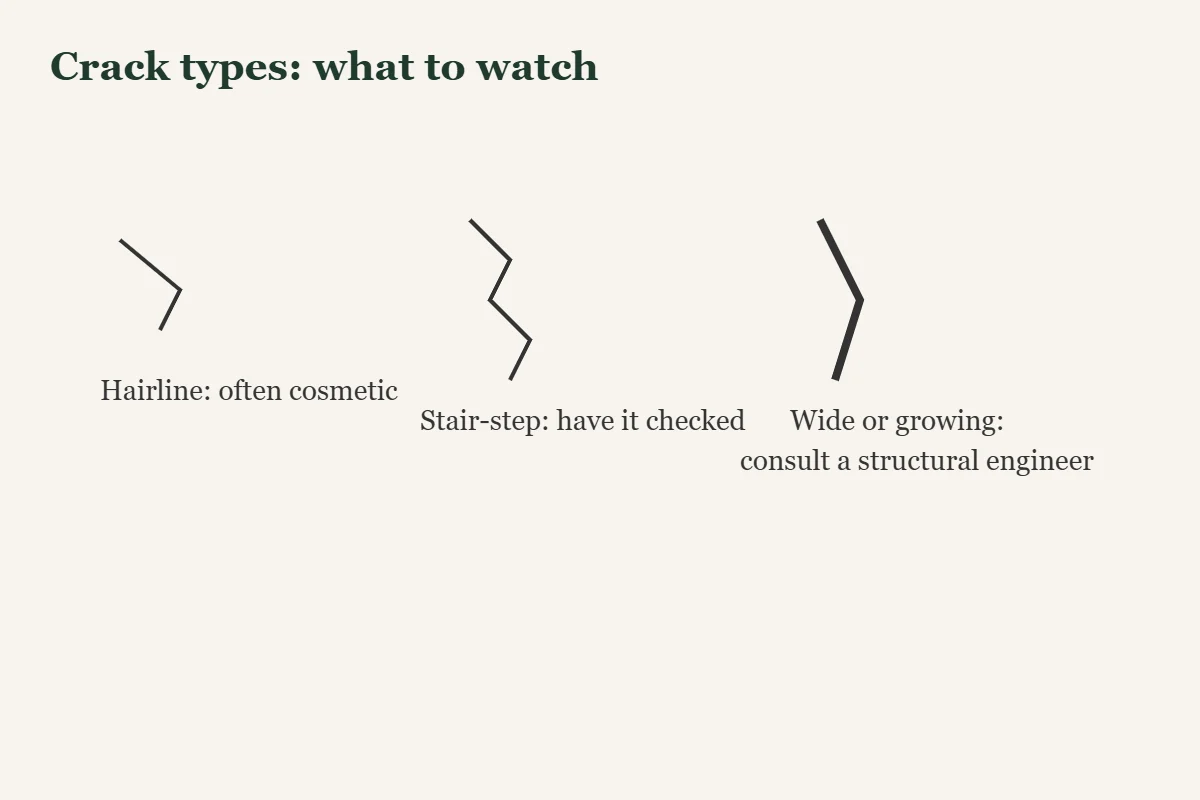
Steel push piers and helical piers
After the piers are installed, hydraulic jacks lift the foundation from the brackets. Several jacks are often connected so that a whole section rises together. Our guide to foundation repair methods explains each pier type.
Pressed and drilled concrete piers
Concrete piers can also be used to lift, with jacks and shims placed between the pier and the foundation beam.
Slab jacking and polyurethane foam
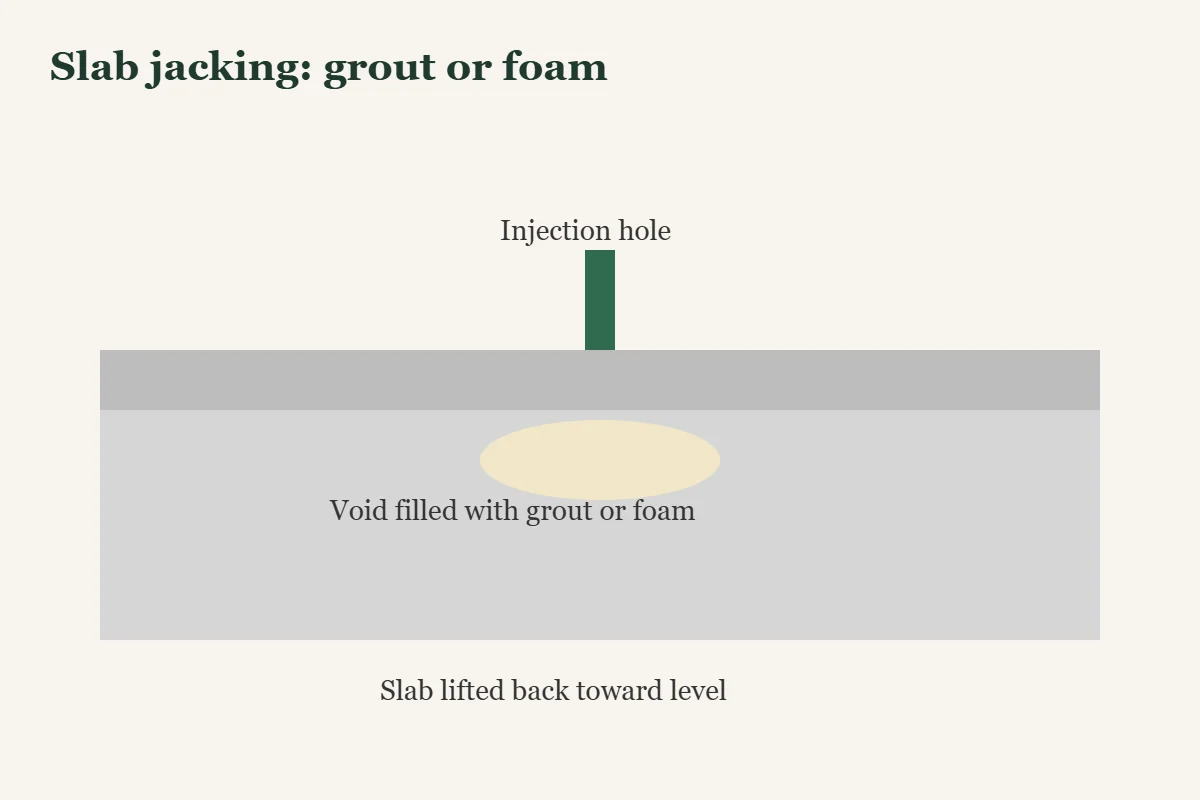
Material pumped under a slab can lift it. This works for slabs over voids or soft shallow soil, not for deep settlement.
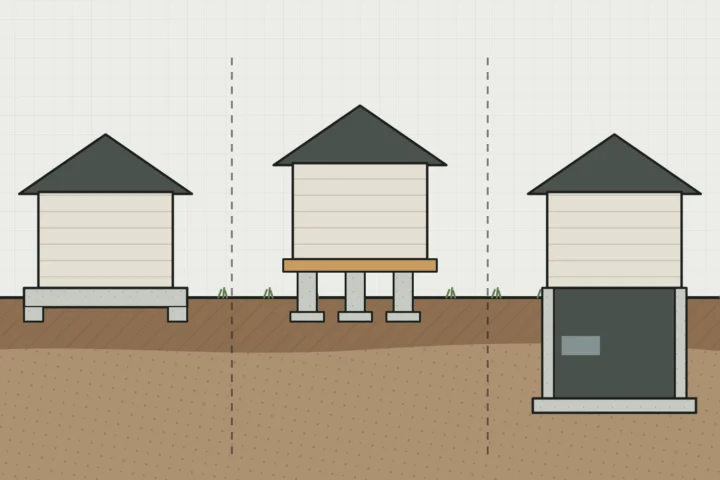
Shimming in pier and beam homes
In a raised house, beams are jacked up from the crawl space and shims are placed on the piers. This is a gradual, adjustable form of lifting.
What to expect during a lift
- Baseline readings. Floor levels are recorded before any lifting starts.
- Preparation. Access holes are dug or floors are opened, and fragile items are moved away from walls.
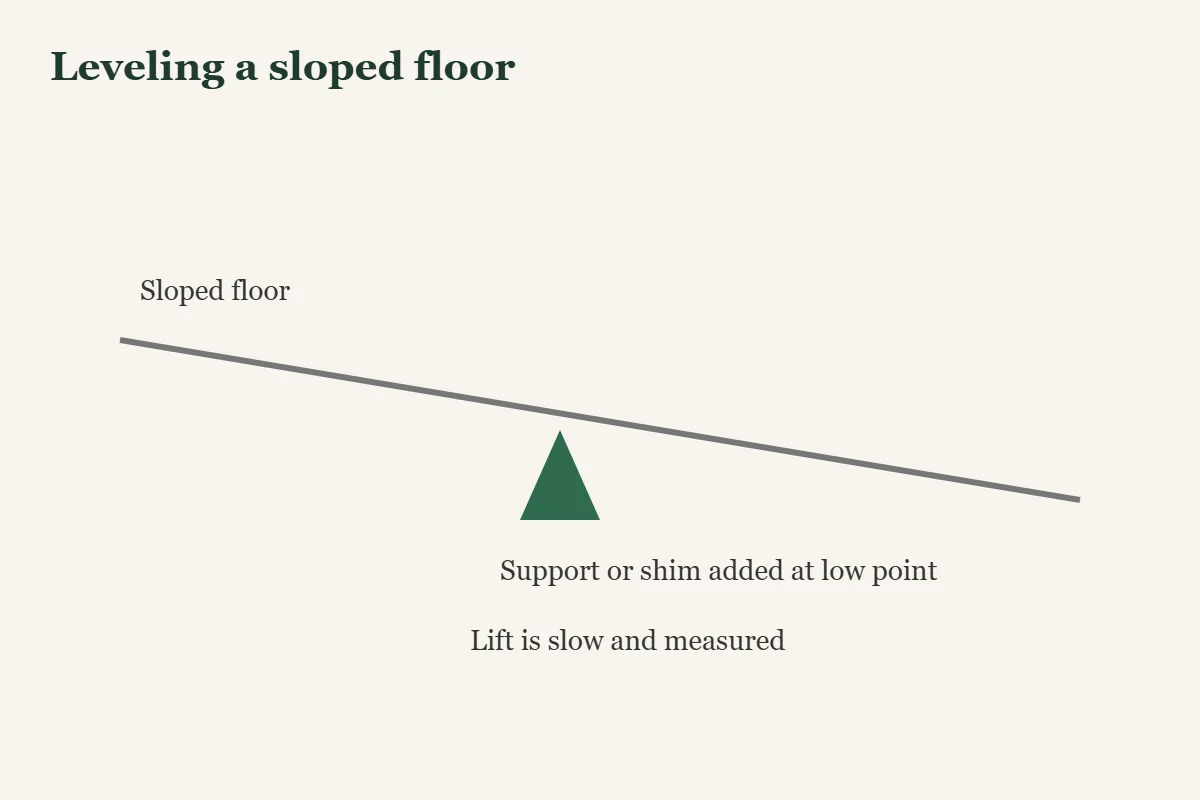
- Gradual lift. The crew raises the foundation in small steps while monitoring readings, doors and walls.
- Final readings. Levels are measured again and compared with the starting point.
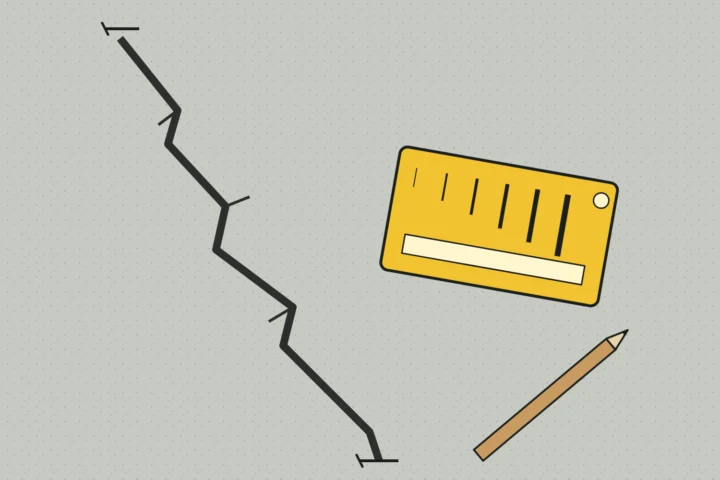
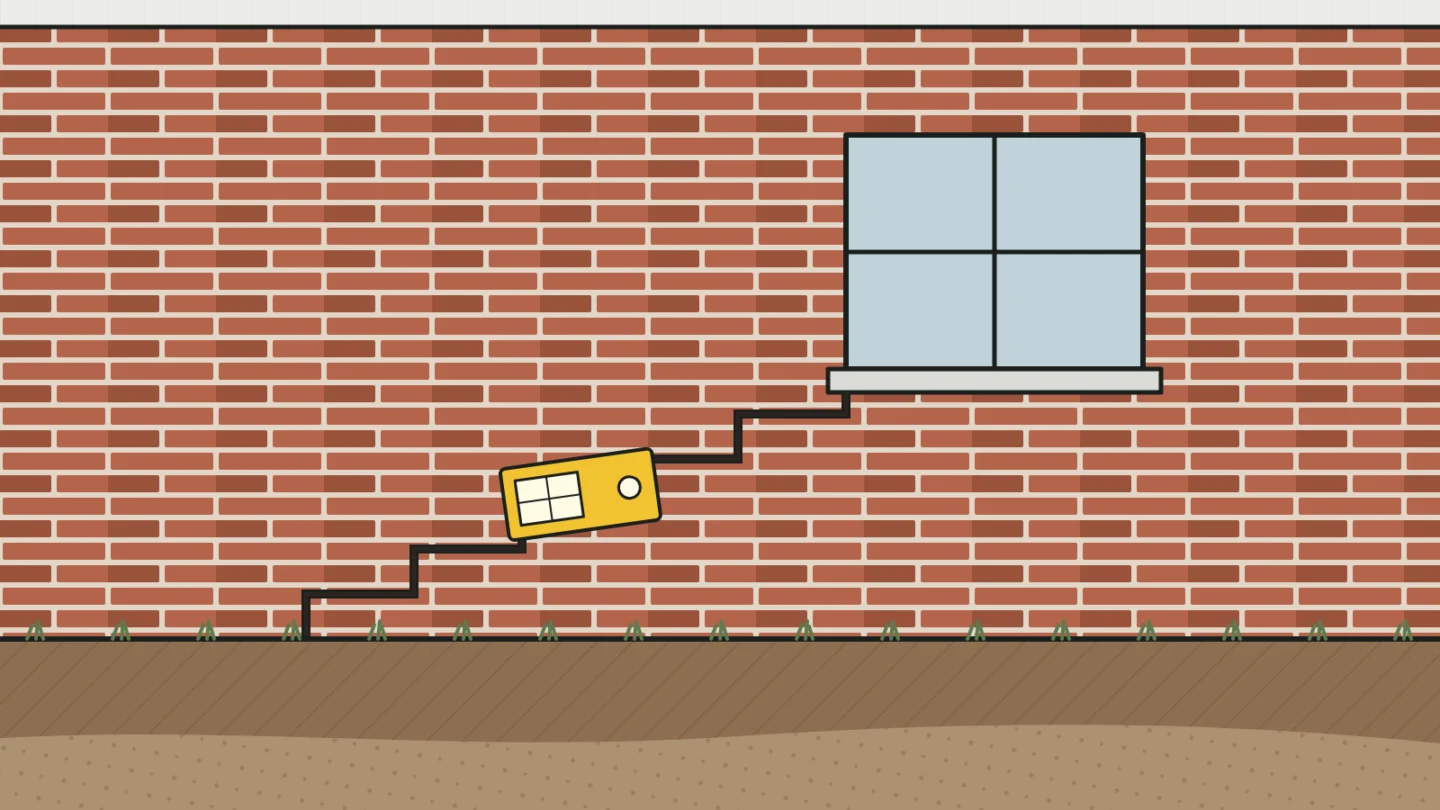
- Follow-up. New cracks in drywall or brick may appear and are usually cosmetic, but ask how they are handled.
Risks of lifting
- Plumbing. Drain lines under a slab can crack when it moves. A plumbing test before and after is worth asking about.
- New cracks. Drywall, tile and brick can crack as the structure moves. Lifting slowly reduces this.
- Uneven results. Some areas may not lift fully, especially where framing has adjusted to the old position over years.
- Doors and windows. These may need adjusting after the lift.
How much can a house be lifted?
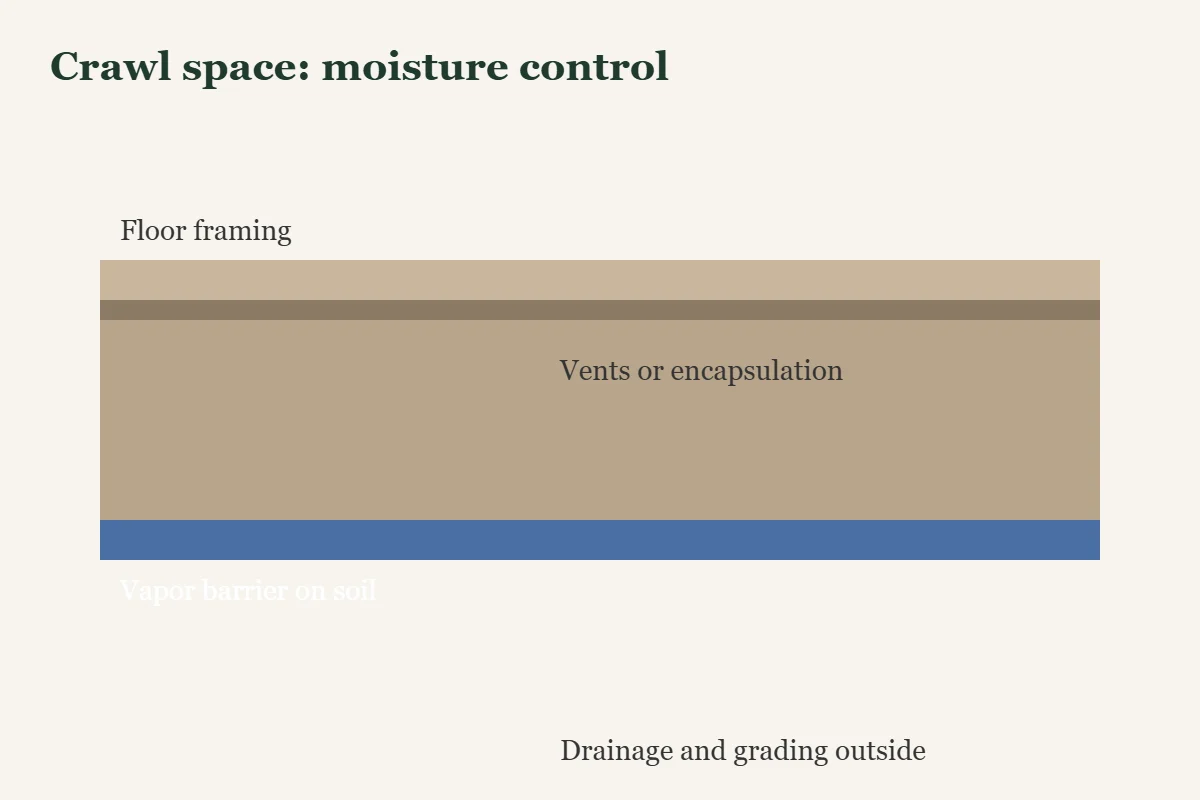
It depends on how long the house has been in its current position, the framing, finishes, and the plumbing. A house that settled long ago may not tolerate a full lift. A good contractor or engineer sets a realistic target and explains the trade-offs before work begins.
Cost
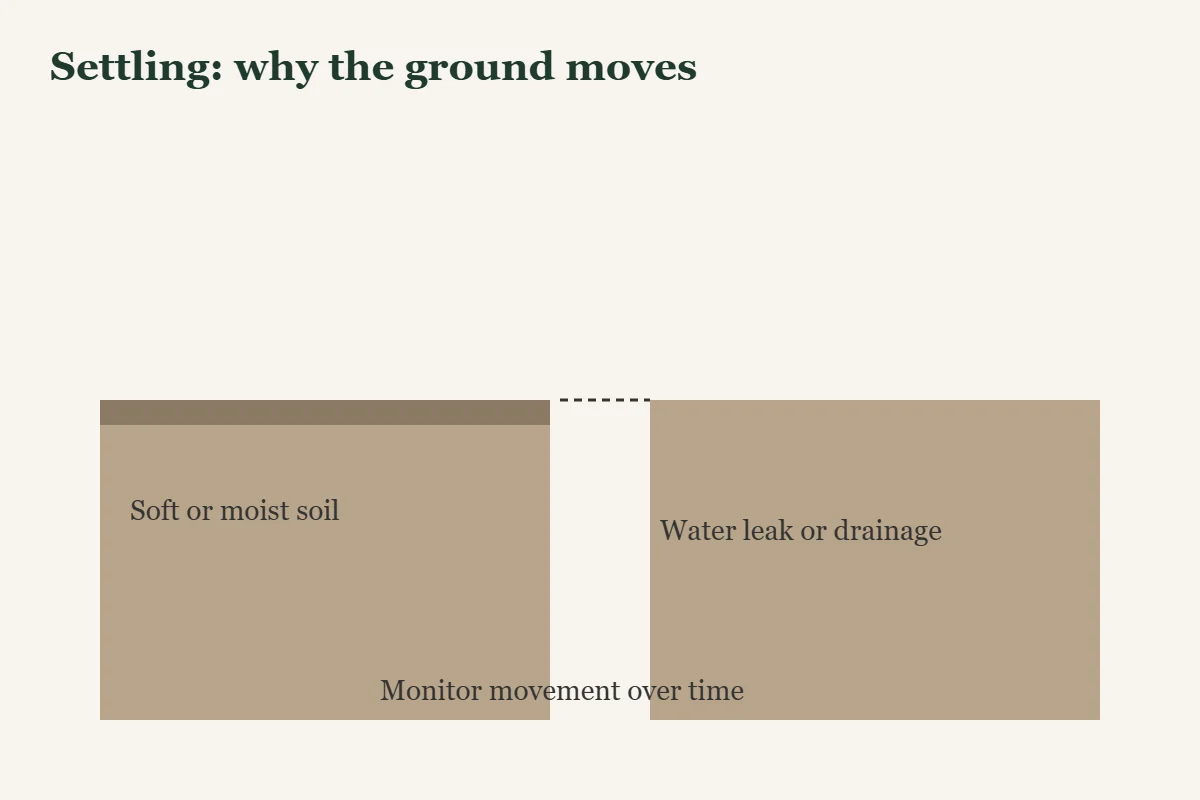
Lifting cost is usually built into a pier or slab jacking price rather than charged separately, but it adds labor. Lifting is usually priced within pier or slab jacking work, so use the ranges above. Estimate, not a quote. Get 3 quotes. See foundation repair cost per pier and slab foundation repair cost for related cost factors.
After the lift: what to watch
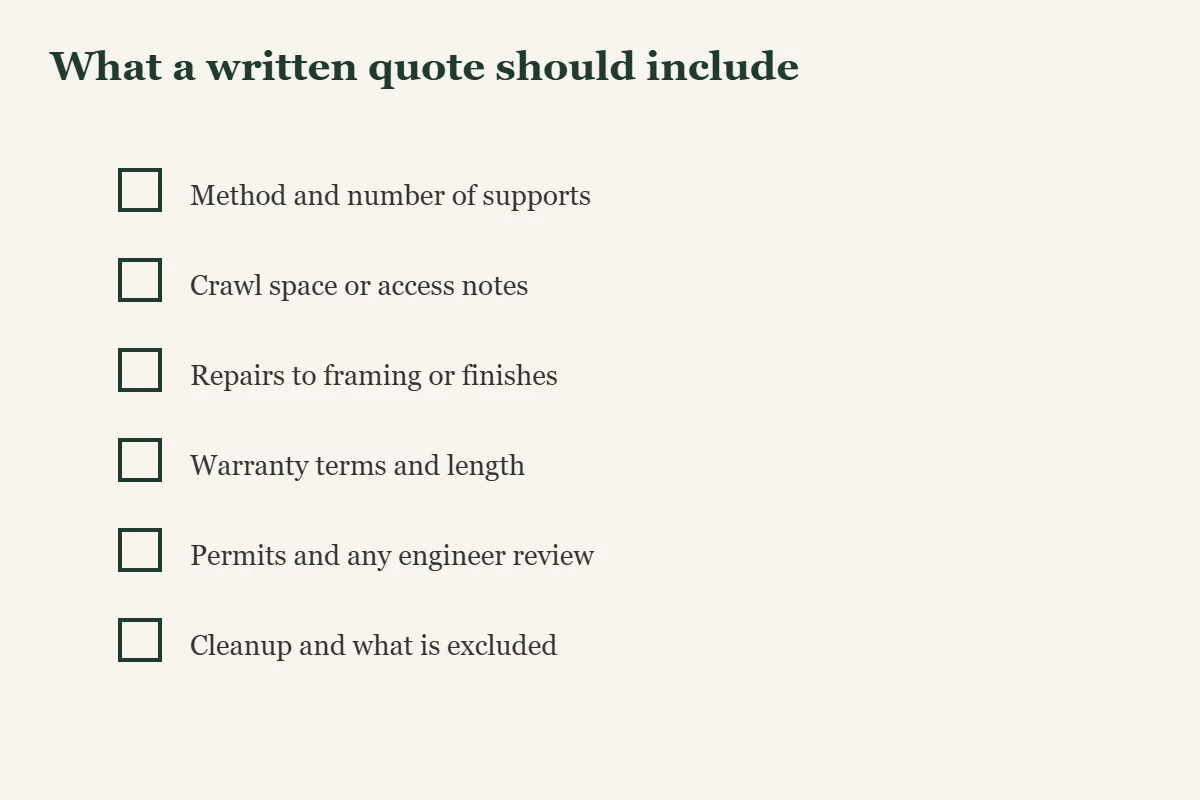
In the weeks after a lift, keep an eye on doors, windows, and any cracks that were patched. Some settling of finishes is normal. Note any new cracks with dates and photos, as you did before the repair, and check for signs of plumbing leaks such as damp flooring, unusual water bills, or a running water meter when nothing is on. If the contractor offers a follow-up visit or adjustment, schedule it in writing.
Before you agree to a lift
- Ask whether the proposal is to lift or to stabilize, and why
- Ask for the target level in writing, and how it will be measured
- Ask who handles plumbing tests and repairs
- Ask what happens if new cracks appear
- Get an independent foundation repair inspection if you are unsure
Frequently asked questions
Will lifting my foundation fix all the cracks?
Lifting may close some cracks, but others will need cosmetic repair. Some new cracks may appear during the lift.
Can I stay in my house during a lift?
Many people do, but it depends on the work. Ask the contractor about noise, access, and whether water or gas will be shut off.
How long does a foundation lift take?
It depends on the method, the number of supports and the size of the area. Ask for a written schedule that separates installing supports from the lift itself.
Does a lift stop the house from moving again?
The lift itself does not. What stops future movement is support reaching stable soil and fixing the cause, such as drainage or leaks.
Prices as of November 21, 2026, source: Angi (2025 data); Modernize (2026); HomeAdvisor (2026); HomeGuide (2026); This Old House (2026); Fixr (2026)