On this page
Short answer: A foundation inspection commonly costs between $230 and $3,800, depending on home size and foundation type (Angi). Many repair companies offer free inspections, but they may be more likely to recommend repairs (HomeGuide). Estimate, not a quote.
Reviewed by: Hassan Ifthakir, civil engineer (BSc Civil Engineering, COMSATS University, Abbottabad). Last updated: November 2026. This is general information, not expert advice. Large, growing, or structural cracks need a licensed structural engineer.
A foundation repair inspection checks whether a house has moved, how much, and why, so that a repair can be planned. It can be done by a repair contractor, usually free and as part of a sales visit, or by an independent licensed structural engineer, who charges a fee but does not sell repairs. Large, growing, or structural cracks need a licensed structural engineer. A contractor’s inspection is a sales visit, not an engineering assessment.
For more on reading the warning signs, see Signs and Diagnosis.
Foundation repair inspection: Who does foundation inspections
Foundation repair contractors
Most repair companies offer a free inspection. The inspector measures the floor, looks at cracks and drainage, and proposes a repair with a price. This is useful for getting quotes, but the person inspecting also earns money from the repair.
Structural engineers
A licensed structural engineer assesses the structure independently and writes a report with findings and, if needed, a repair plan. Contractors can then price the same plan, which makes quotes easier to compare. Engineer fee: not in the sources checked; ask for a fixed fee before the visit. Estimate, not a quote. Get 3 quotes.
Home inspectors
A general home inspector may flag possible foundation issues during a home purchase but usually recommends further evaluation by an engineer rather than diagnosing the cause.
What happens during an inspection
- Conversation. You describe what you have noticed and when. Dates matter, so bring notes or photos.
- Exterior walk-around. The inspector looks at brick or siding cracks, gaps around windows, grading, gutters and downspouts, and nearby trees.
- Interior check. Drywall cracks, sticking doors and windows, sloping floors and gaps at trim are noted.
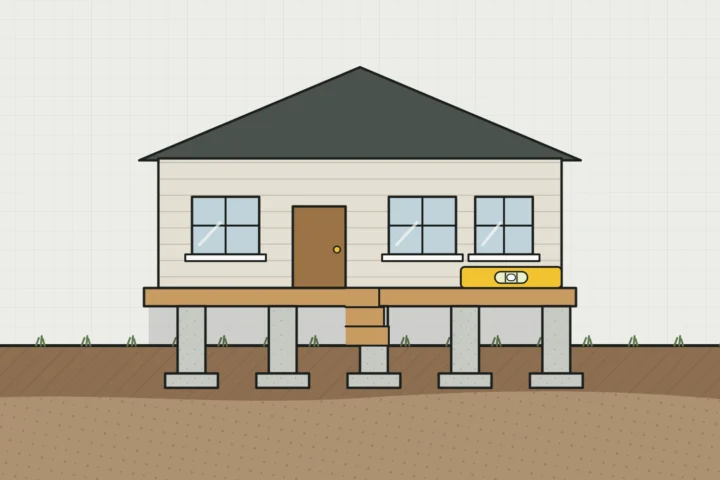
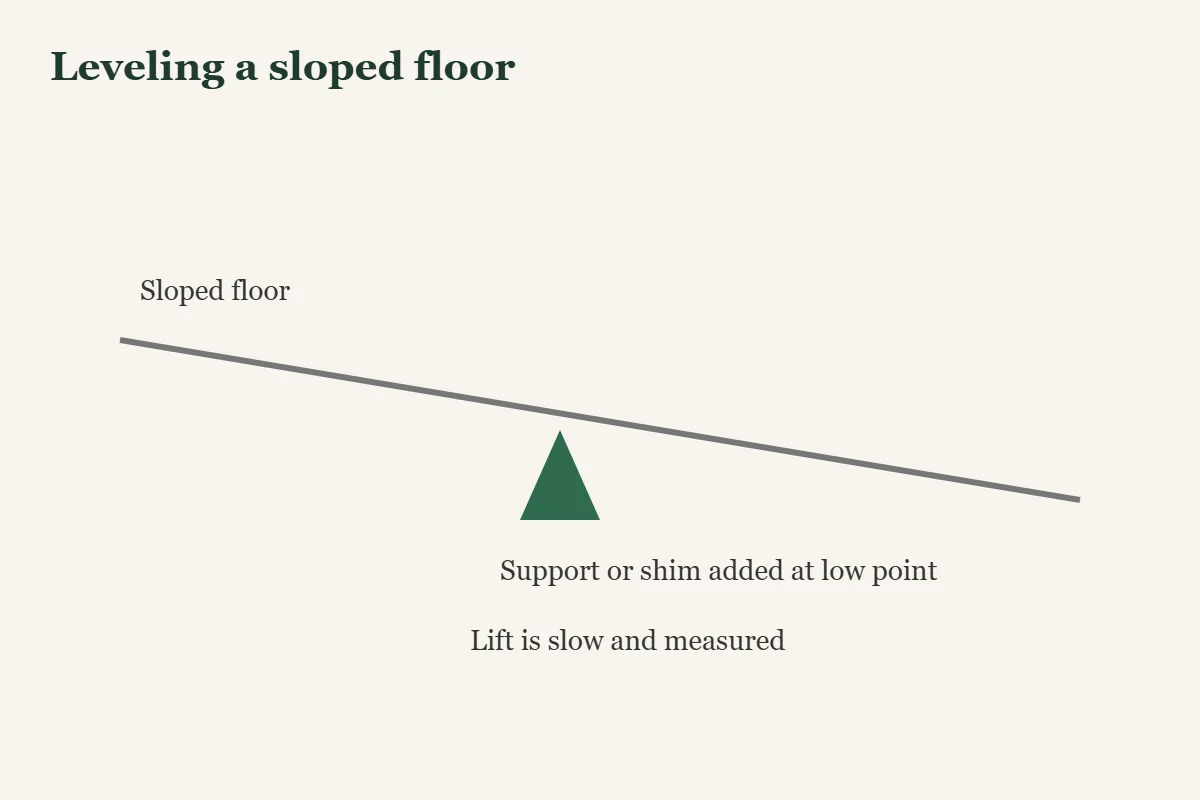
- Floor level survey. A digital level or manometer records the relative height of points across the floor to map where the house is high or low.
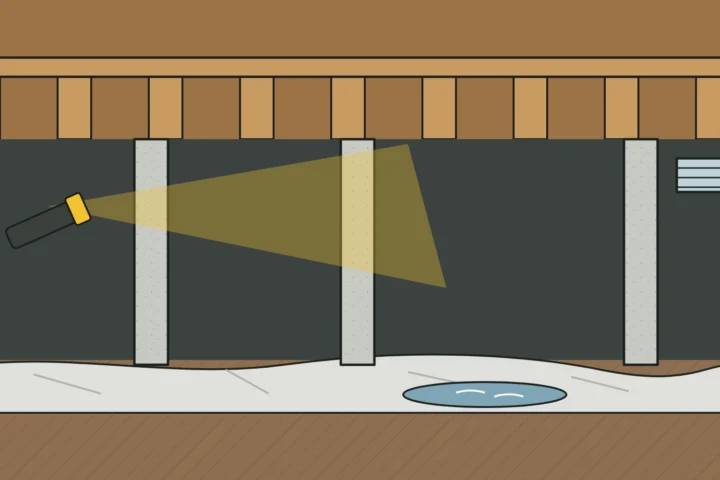
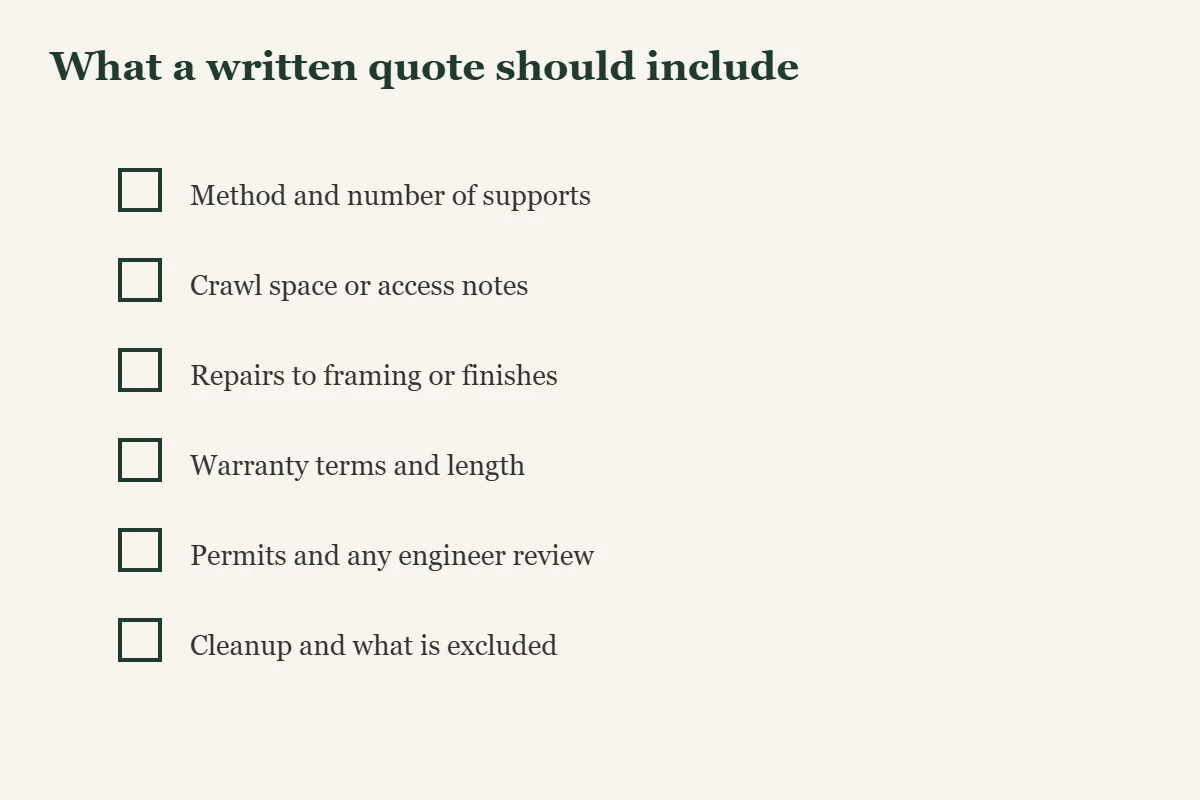
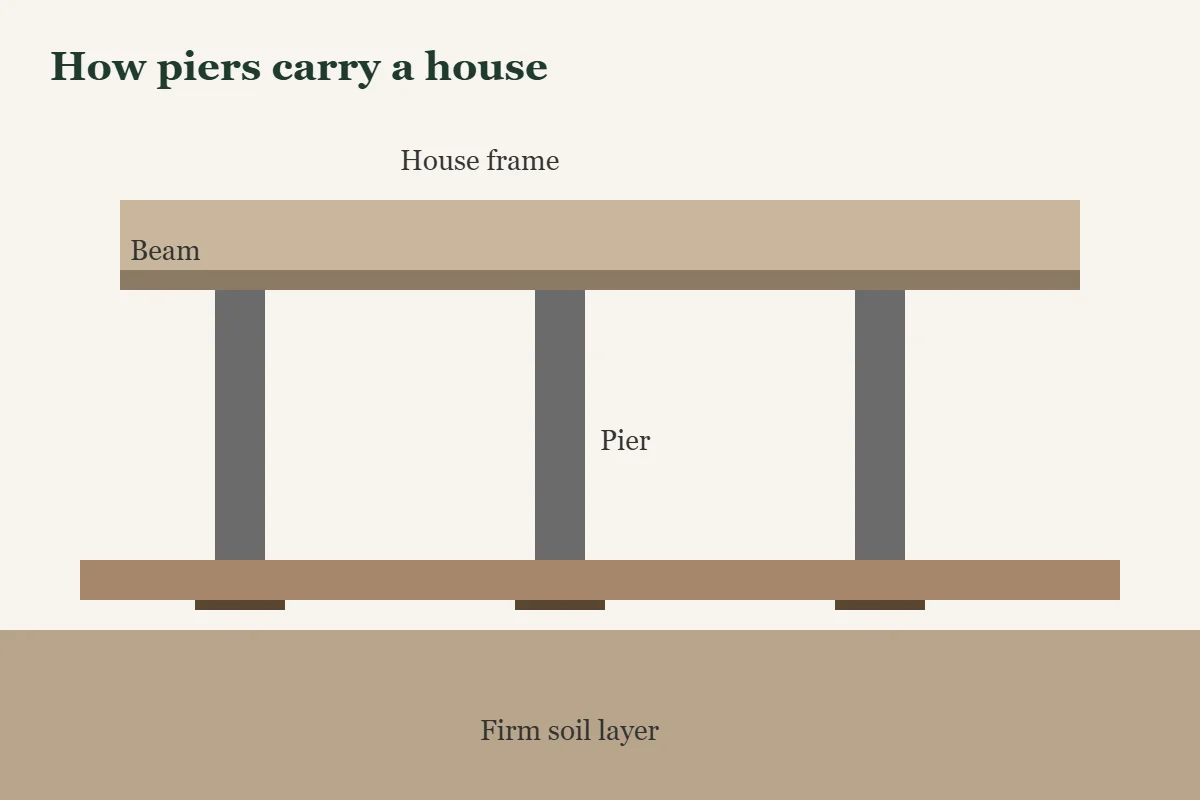
- Crawl space or basement. In a raised house, piers, beams, joists and moisture are checked. See pier and beam crawl space issues.
- Findings. You should get a written summary of what was found, the likely cause, and the recommended repair.
How to prepare
- Write down when you first noticed each sign and whether it has changed
- Photograph cracks with a ruler or coin in the frame, and date the photos
- Clear access to the crawl space hatch, the garage walls and the exterior perimeter
- Gather any past repair paperwork, warranties, engineering reports or plumbing tests
- Prepare questions about cause, method, and what happens if nothing is done
What the written report should include
A useful inspection report, from an engineer or a contractor, should cover:
- The floor level readings or a map of high and low points
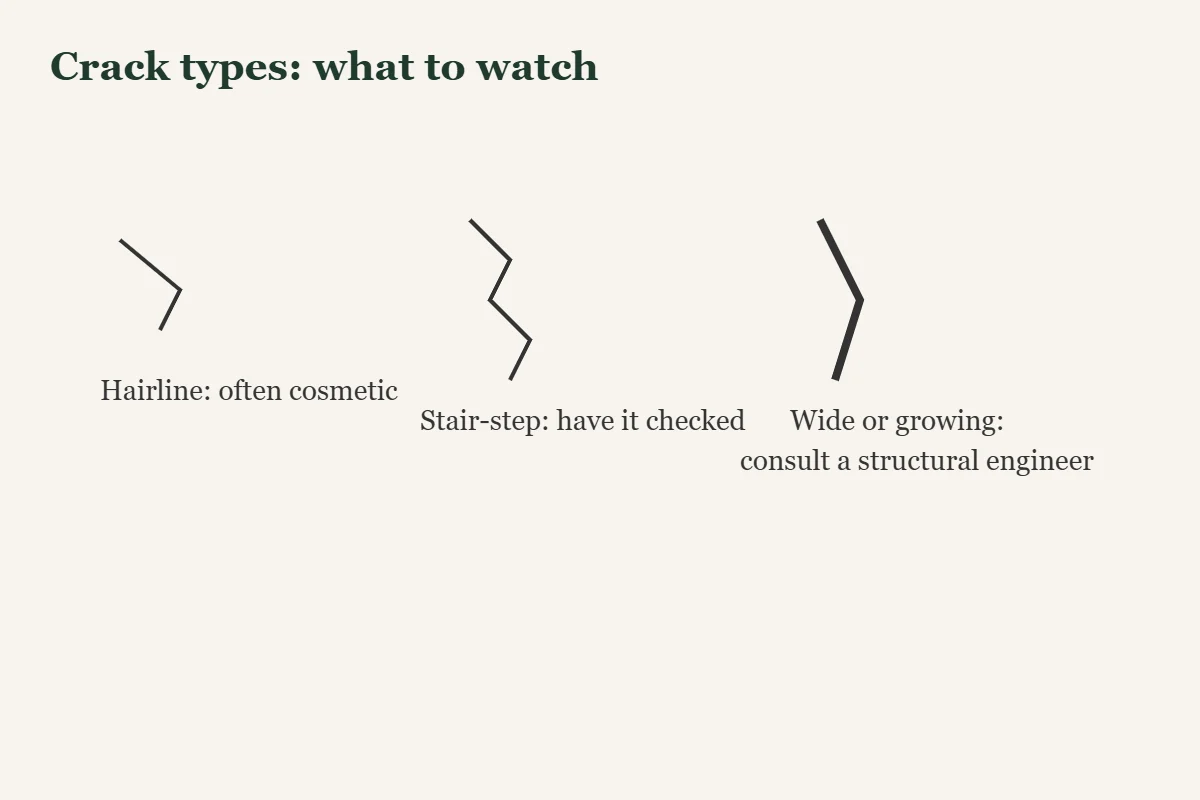
- Observed damage, with locations
- The likely cause of movement, such as soil, drainage, plumbing leaks or rot
- The recommended repair method and where it applies
- Anything that needs further testing, such as a plumbing leak test
A report that recommends a repair without stating a cause is incomplete. Repairs that do not address the cause may not last. Our guide to foundation repair methods explains what each recommended method does.
Questions to ask the inspector
- What do you think is causing the movement, and how sure are you?
- Which readings or signs led you to that conclusion?
- What happens if I do nothing for now, or fix only the drainage?
- Is the movement likely to be ongoing, or did it happen once?
- Would you recommend an engineer’s assessment, and why or why not?
- Can I have the floor level readings and photos?
Write down the answers. Comparing them across inspections is one of the clearest ways to see whether opinions agree.
Signs that call for an engineer, not just a contractor
- A crack that is wide, growing, or offset so one side sits higher than the other
- Floors or walls that have moved noticeably in a short time
- Several contractors who disagree on the cause or the repair
- A home purchase or sale where a written professional opinion is needed
- Past repairs that did not hold
After the inspection
If a repair is recommended, get written quotes for the same scope. Estimate, not a quote. Get 3 quotes. For what drives the price, see foundation repair cost. If the house is pier and beam, our pier and beam foundation repair guide explains the common fixes.
Frequently asked questions
Are free foundation inspections trustworthy?
They can be useful, but they are part of a sales process. Treat the findings as one opinion, and consider an independent engineer for major or disputed repairs.
How long does a foundation inspection take?
It depends on the size of the house and whether there is a crawl space to inspect. Ask when booking so you can plan access.
Should I get an inspection before buying a house?
If the general home inspection flags possible foundation movement, a structural engineer’s evaluation before closing gives you a written basis for decisions.
Prices as of November 21, 2026, source: Angi (2025 data); Modernize (2026); HomeAdvisor (2026); HomeGuide (2026); This Old House (2026); Fixr (2026)