On this page
Short answer: Pier and beam crawl spaces are usually easier to access for repairs than slab or basement foundations. Angi’s 2025 data puts normal pier and beam repair at $6,000 to $14,000. Estimate, not a quote. Get 3 quotes.
Reviewed by: Hassan Ifthakir, civil engineer (BSc Civil Engineering, COMSATS University, Abbottabad). Last updated: November 2026. This is general information, not expert advice. Large, growing, or structural cracks need a licensed structural engineer.
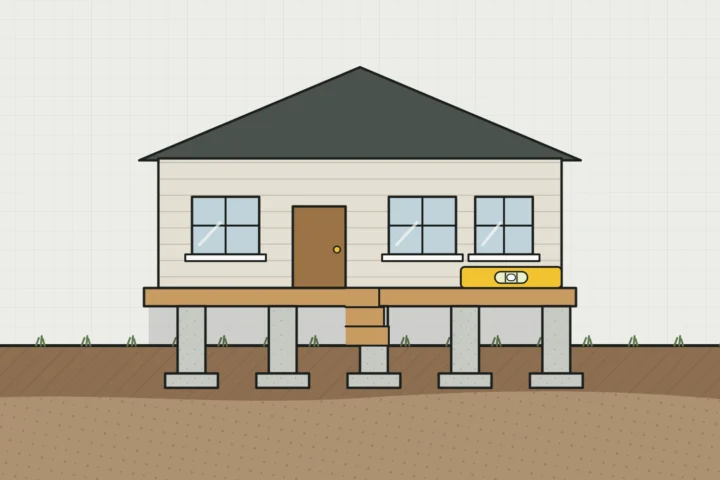
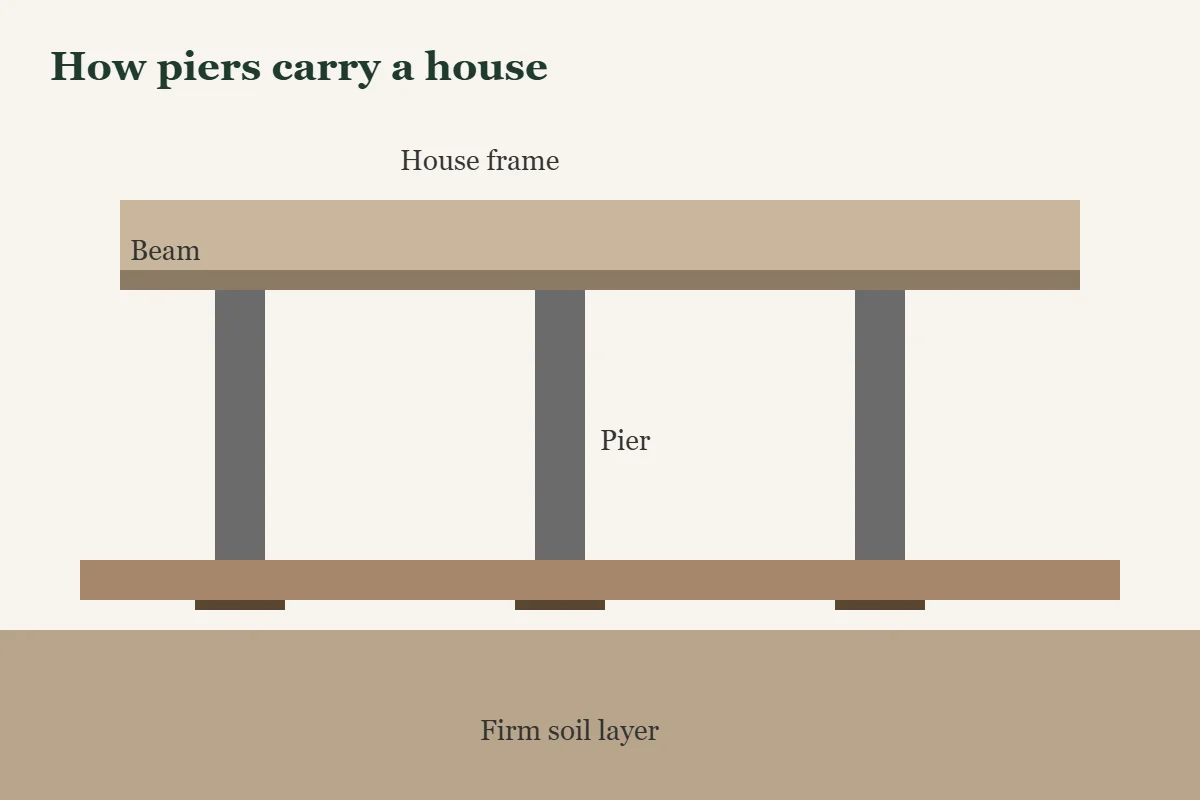
A pier and beam crawl space is the open area under a raised house where the piers, beams and floor joists sit. Most crawl space problems come from moisture: water from poor drainage, damp soil or plumbing leaks raises humidity, which leads to wood rot, mold, pests and sagging floors. Keeping water out and the space dry is the core of crawl space care. Large, growing, or structural cracks need a licensed structural engineer. A contractor’s inspection is a sales visit, not an engineering assessment.
More guides are in Crawl Space and Drainage.
Pier and beam crawl space: How a crawl space works
The crawl space separates the wooden floor structure from the ground. Traditionally it is vented to outside air through openings in the skirting or foundation wall, with the idea that airflow carries moisture away. In humid climates, vented crawl spaces can pull in warm, damp air that condenses on cooler surfaces, so many homes now use sealed or conditioned crawl spaces instead.
Whatever the design, the goal is the same: keep the wood dry and the soil underneath stable.
Warning signs of crawl space problems
- A musty or damp smell inside the house, especially near floor vents
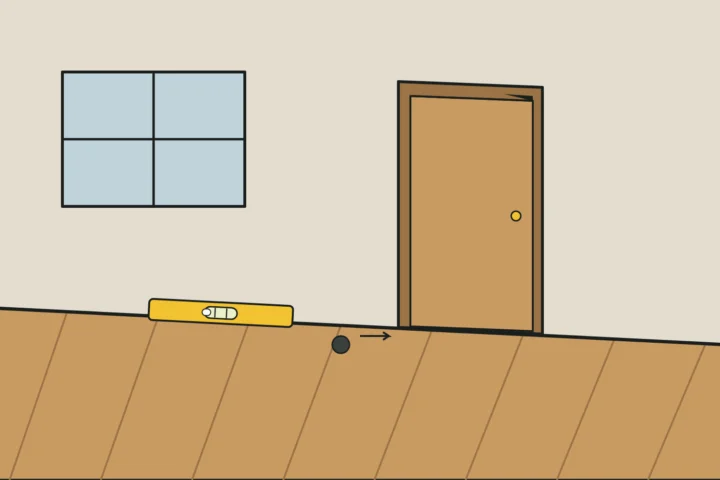
- Floors that feel soft, bouncy or uneven
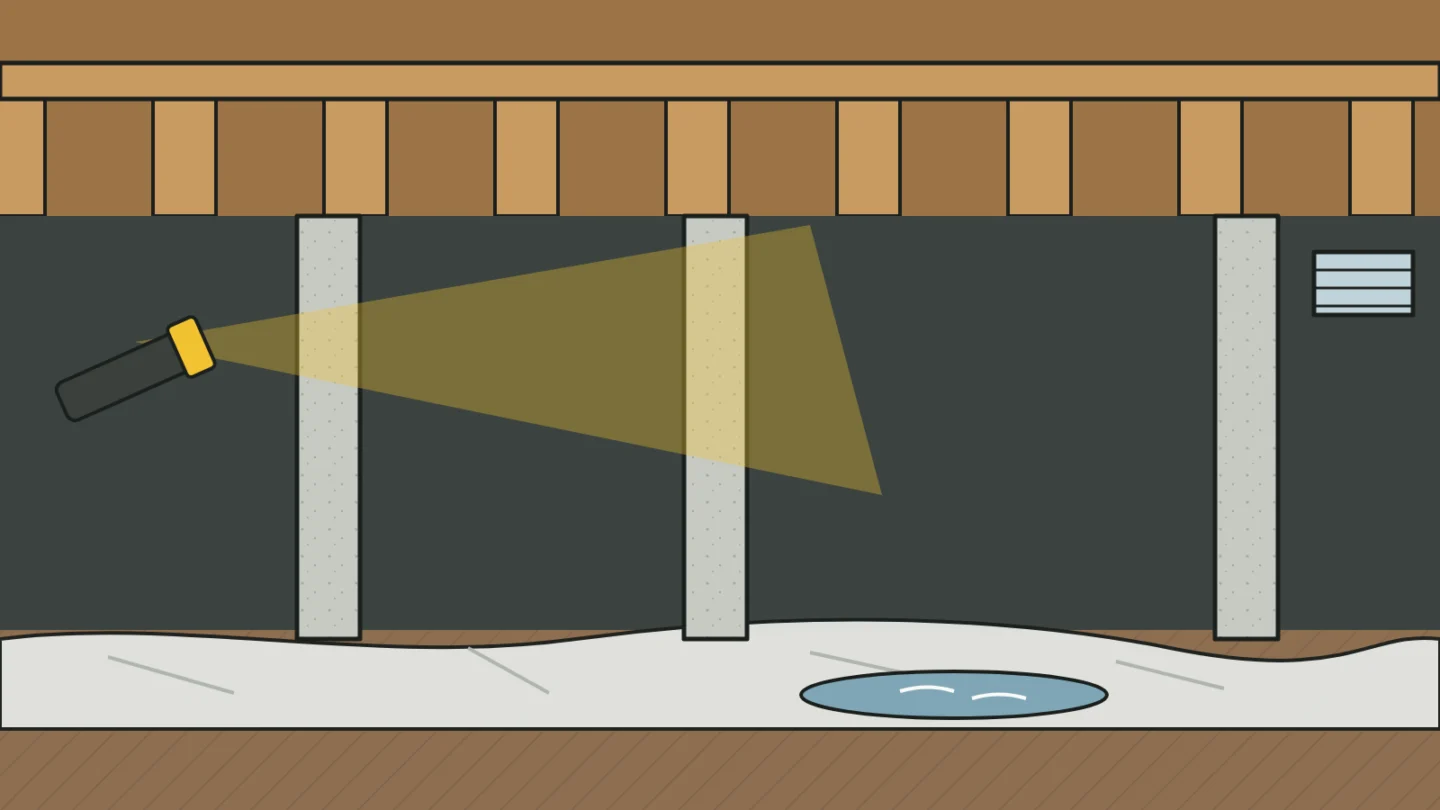
- Standing water, wet soil or water stains on piers and beams
- Mold or mildew on joists and subfloor
- Sagging or torn insulation, or a torn vapor barrier
- Wood that is dark, crumbly or easy to push a screwdriver into
- Pests such as termites, rodents or insects
- Shims that have slipped or piers that lean
These signs often show up together. Damp wood attracts termites, and rot weakens beams so floors sag.
Where the moisture comes from
Surface water and drainage
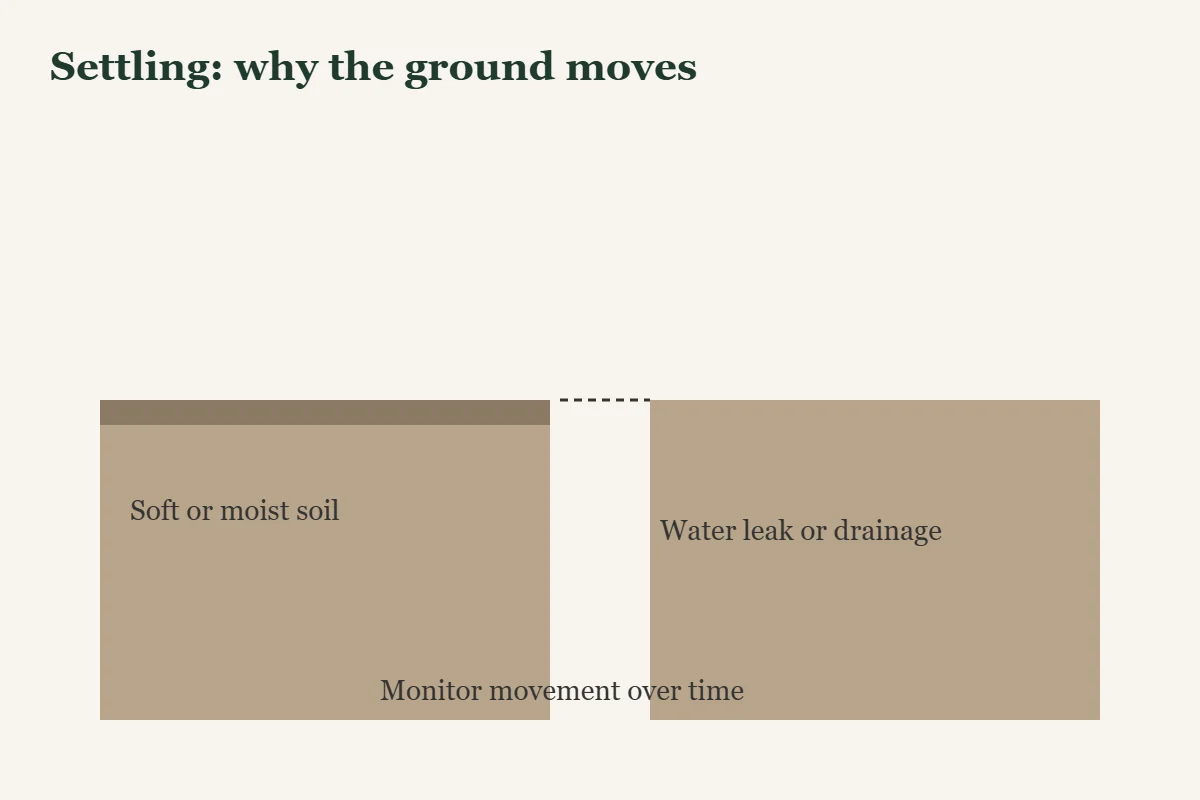
Gutters that overflow, downspouts that drain beside the house, and soil that slopes toward the house all send water into the crawl space. This is the most common cause and often the cheapest to fix.
Groundwater and damp soil
Even without standing water, bare soil releases moisture into the air. A vapor barrier over the ground reduces this.
Plumbing leaks
Supply lines and drain lines run through the crawl space. Slow leaks can soak soil and framing for a long time before anyone notices.
Humid outside air
In humid regions, vents can bring in moist air that condenses on cooler pipes, ducts and framing.
Common fixes
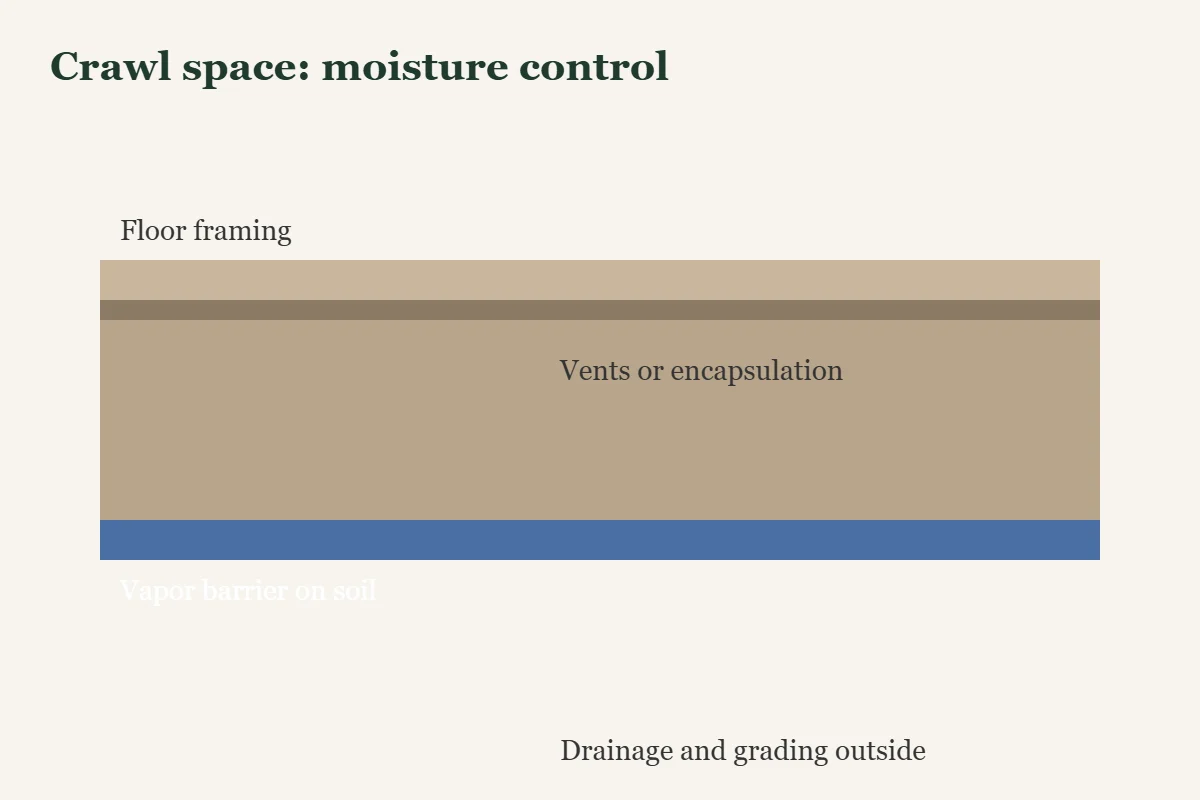
- Correct drainage. Clean gutters, extend downspouts away from the house, and grade soil to slope away from the foundation.
- Install or repair a vapor barrier. A heavy plastic sheet over the ground cuts moisture from the soil.
- Repair plumbing leaks. Check supply and drain lines and fix any leaks.
- Consider encapsulation. Sealing the crawl space with a vapor barrier on walls and ground, closing vents, and controlling humidity with a dehumidifier or conditioned air.
- Repair damaged wood and supports. Replace rotted sills, beams or joists and re-shim or replace piers. See pier and beam foundation repair.
- Treat pests. Termites and other pests need treatment before or alongside wood repair.
Costs vary widely by method and crawl space size. Crawl space support beam repair runs $1,500 to $6,000 (Modernize, 2026); moisture and vapor work is priced separately, so ask for it as its own line. Estimate, not a quote. Get 3 quotes. The pier and beam foundation repair cost guide explains how moisture work fits into a repair quote.
Crawl space safety
Crawl spaces can hold hazards: exposed wiring, sharp fasteners, mold, insulation fibers, pests and, in some areas, snakes or spiders. Low clearance also makes it hard to get out quickly. If you look inside yourself, use a good light, gloves, a mask and protective clothing, tell someone you are going in, and avoid touching wiring. For anything beyond a quick look from the hatch, it is safer to let an inspector or contractor do it and ask for photos.
Vented or sealed?

Building codes allow both vented and sealed (unvented) crawl spaces when built to code requirements. Sealed crawl spaces are common in humid climates, while vented ones may still work in drier areas. Ask any contractor what local code requires and why they recommend one or the other for your climate.
Getting the crawl space checked
An inspection of a raised house should include the crawl space: piers, beams, joists, moisture levels, insulation and the vapor barrier. Ask for photos of anything that needs work, and for the cause of any moisture. Estimate, not a quote. Get 3 quotes.
Frequently asked questions
Is crawl space moisture a foundation problem?
Moisture itself is not a foundation failure, but over time it can lead to rot, pest damage and sagging floors, which are structural problems.
Should I close my crawl space vents?
Closing vents without sealing and controlling humidity can trap moisture. Encapsulation is a planned system, not just closing vents.
How often should a crawl space be checked?
Regular checks, especially after heavy rain or plumbing work, help catch problems early. Look for standing water, damp wood and a torn vapor barrier.
Prices as of November 21, 2026, source: Angi (2025 data); Modernize (2026); HomeAdvisor (2026); HomeGuide (2026); This Old House (2026); Fixr (2026)